Latest stories

Everything we have published, newest first.

Cybersecurity

OpenSSH 10.6p2 fix: who is exposed to the password-bypass flaw, and who isn't

OpenSSH 10.6p2, released Nov. 5, works around a flaw that lets a very long password log an attacker into accounts that have no usable password. It affects Linux servers using the musl C library without PAM, not Debian, Ubuntu, Fedora or macOS. Evidence on consumer routers is thin, and the likeliest router exposure is a manually installed OpenSSH server.
AI

ActivTrak Study Links AI Use to Workdays Up to 90 Minutes Longer

ActivTrak's October 2026 report found workday spans of 8.4 to 9.1 hours for AI users against 7.6 hours for non-users. Heavy users and people on browser-based tools show the most fragmented work. The comparison is between groups, so it cannot show that AI adds hours.

Cybersecurity

Calendar Invite Phishing Can Relay Google Sign-Ins and Keep the Session

Material Security says a campaign running since mid-August 2026 used Google Calendar invites to send corporate users to a proxy of Google's sign-in page, capturing sessions even after MFA. The report is the only source for the campaign's details, but the relay technique and the defenses against it are established.

Cybersecurity

Device-Code Phishing Gets Microsoft Access Without Stealing a Password

Device-code phishing tricks a person into approving the attacker's own sign-in request on Microsoft's genuine login page, so the attacker receives tokens rather than a password. Microsoft has tracked the technique from a 2024 espionage campaign to mass-market kits in 2026, and a kit called SkyW4lker is the newest reported example.

Economy

Break-even job growth, explained: why small payroll gains can coexist with low unemployment

Break-even job growth is the monthly gain in payrolls needed to hold the unemployment rate steady. It has fallen sharply since 2023 as immigration slowed and the workforce aged, so modest hiring no longer pushes unemployment up. Estimates range from near zero to about 87,000 or more, and low unemployment does not by itself mean the job market is healthy.

Gadgets

Do Brick and other phone-blocking gadgets work? No independent trial has tested them

Brick and its new bedtime sibling, Brick Night, promise to curb phone use through physical friction. No independent controlled study has tested either product. Trials of related tools show that strict limits can cut screen time in the short run, while sleep research supports only an association between screens in bed and insomnia.

Relationships

Coaching My Son and Daughter Gave Me More Than Wins

I started coaching my son's baseball team to fill a need and later coached my daughter's softball team too. Here is what those years meant to me, set beside what research shows and doesn't show about parent-coaching and youth sports.

Software

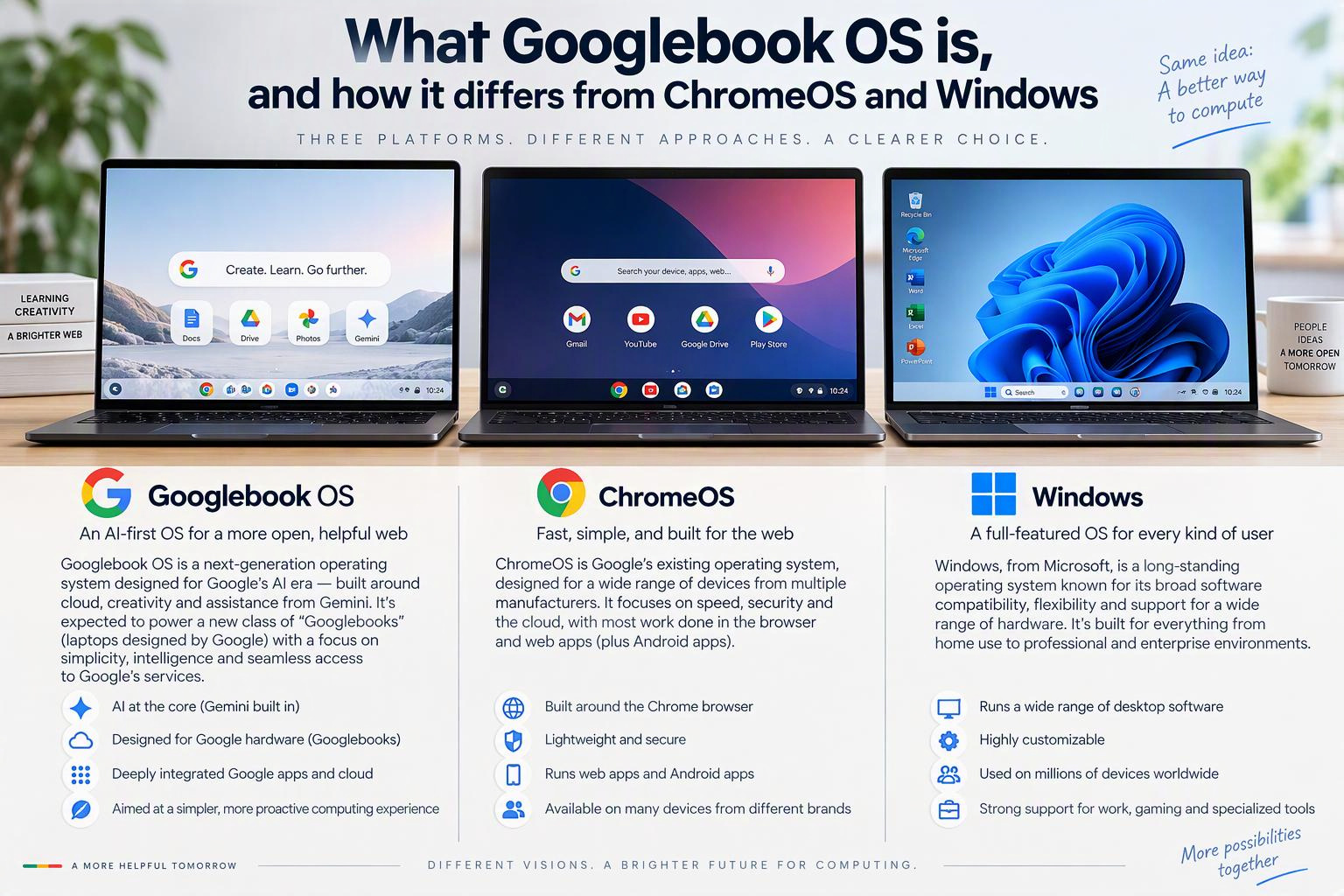
What Googlebook OS is, and how it differs from ChromeOS and Windows

Googlebook OS is Google's Android-based laptop operating system, on sale in the U.S. since October 4, 2026, on premium laptops starting at $899. It differs from ChromeOS in its app support, price tier and phone integration, and it cannot run Windows desktop software. Early reviews, including Engadget's verdict on the Dell XPS Googlebook, find the platform unfinished.

AI

What Recursive Self-Improvement Means and How Close Anthropic Says It Is

Anthropic's revised securities filing, as reported by TechCrunch, says it may be near a model capable of recursive self-improvement, though no model has crossed its threshold. The label bundles distinct ideas, the measured evidence shows AI helping build AI in limited ways, and experts disagree about whether the loop would accelerate or stall.

College Sports

How NIL Deals Work for College Athletes

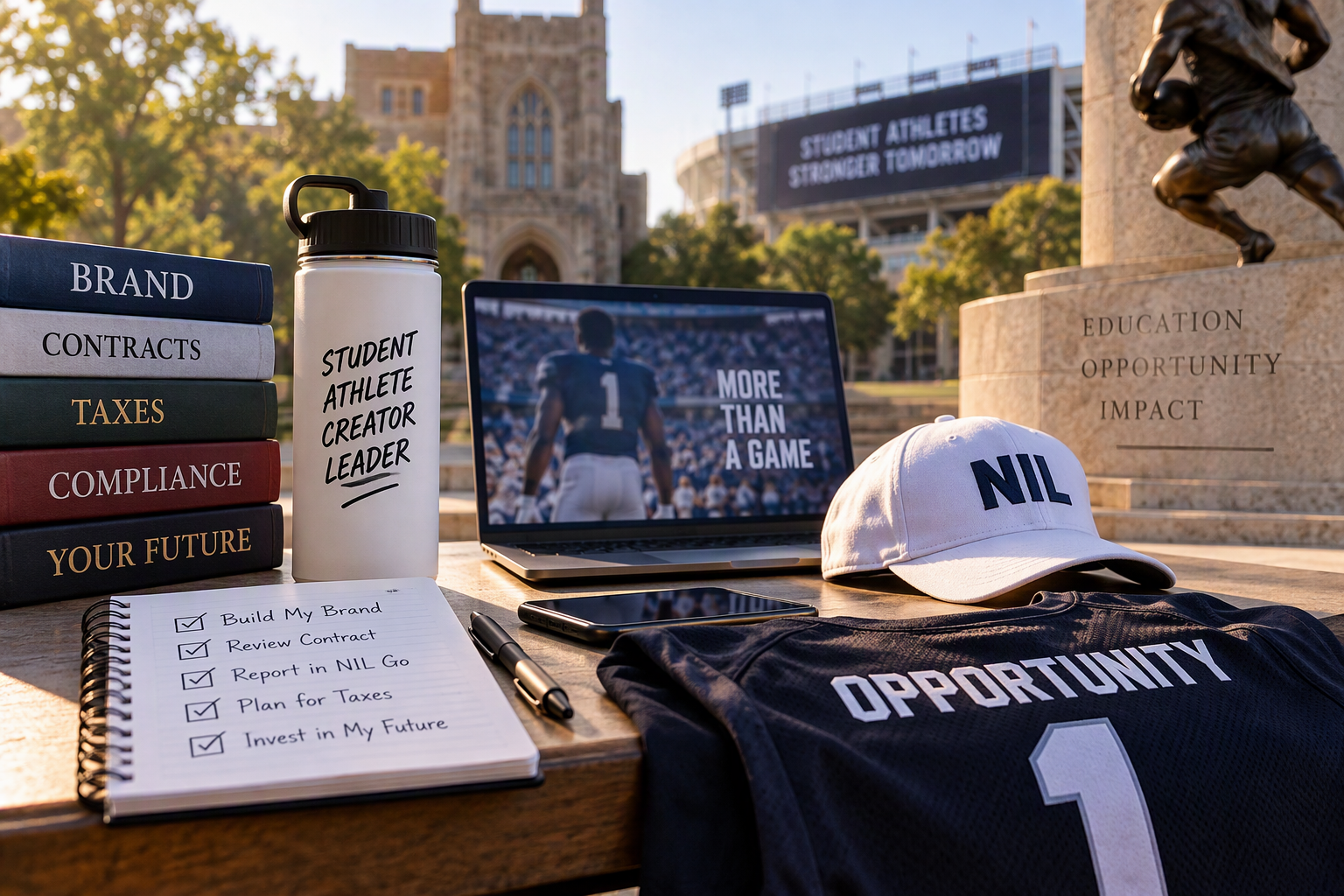
Name, Image, and Likeness (NIL) rules now let college athletes earn money from endorsements, appearances, content creation and licensing, while many Division I athletes can also receive revenue-sharing payments from their schools. This guide explains how NIL deals work, what remains restricted and how oversight operates after the House v. NCAA settlement.

Cybersecurity

What an Apple threat notification means, and what to do after one

Apple's latest threat notifications reached targeted users in 99 countries, and Germany's cybersecurity agency told recipients to assume their devices may be compromised. Here is what the alerts do and do not establish, how to confirm one is genuine, and what Lockdown Mode and device checks can realistically offer.

NFL

How the NFL Playoffs Work: 14 Teams, 7 Seeds and One Bye

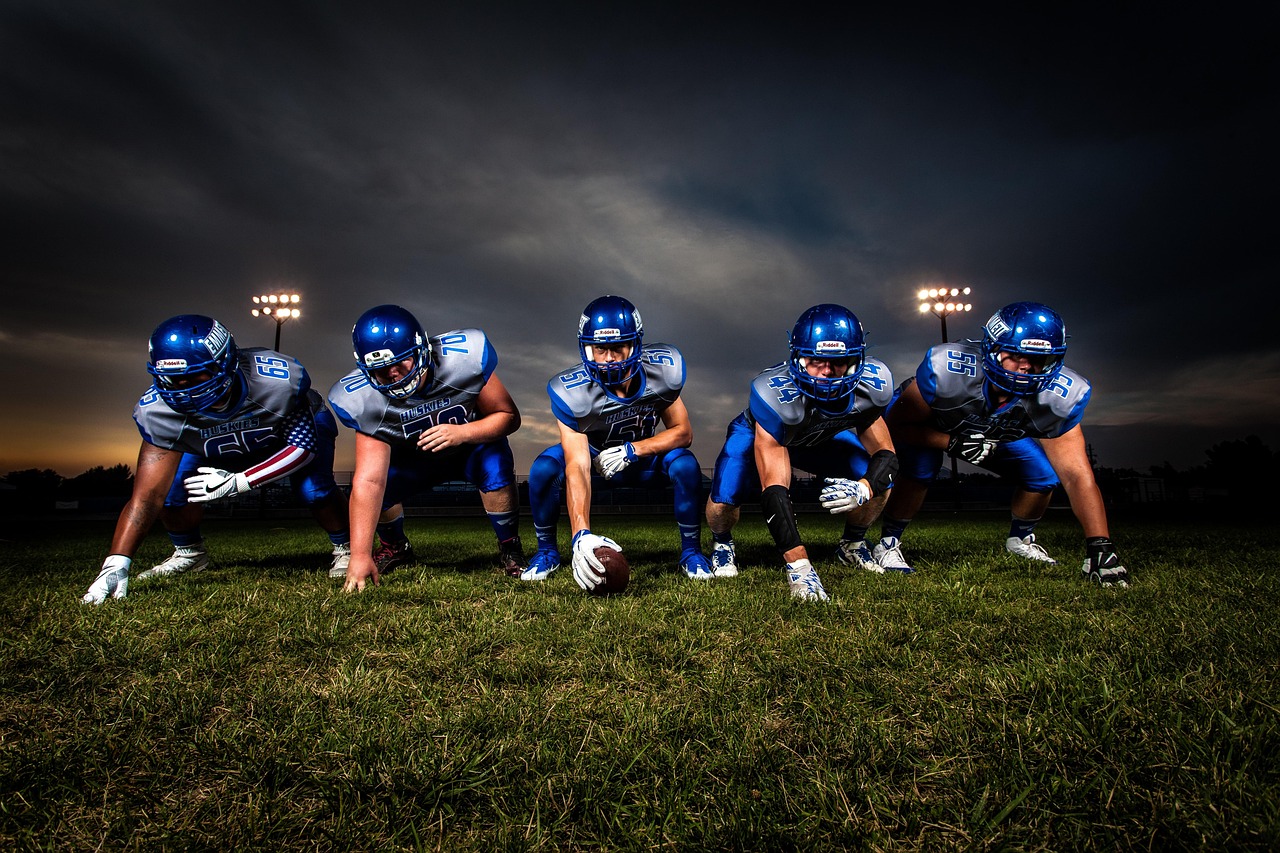
Fourteen NFL teams make the playoffs, seven per conference, and only the No. 1 seed skips the first round. This guide covers seeding, hosting, tiebreakers, overtime, the failed 2025 seeding reform and the dates leading to Super Bowl LXI on Feb. 14, 2027.

NBA

How the NBA Playoffs Work: 16 Teams, a Play-In and Four Best-of-7 Rounds

Sixteen teams reach the NBA playoffs, but 20 take part in the postseason because seeds 7 through 10 first play a separate Play-In Tournament. After that, four best-of-7 rounds decide the champion. The 2026 postseason, won by the Knicks over the Spurs 4-1, shows each step in practice.

AI

What AI Data Centers Mean for Local Power Bills, Air and Water

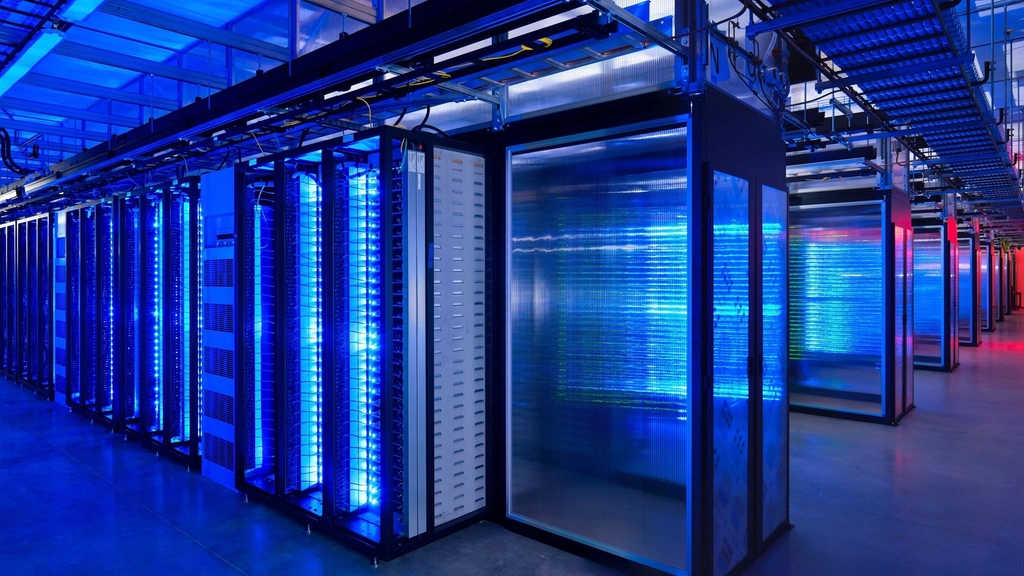
Data center electricity use has more than tripled since 2014, and in the PJM grid region record capacity prices coincide with that growth. Air and water effects are real but often modeled, and the Memphis and Hermantown cases show where the public can and cannot shift outcomes.

Cybersecurity

Quest Diagnostics Breach: What Is Confirmed and What Patients Can Do

Quest Diagnostics says someone accessed its Quanum LSM system on or around October 21, 2026, and that personal or health information was part of it. The company has not said which data fields or how many people are involved. This guide separates what is confirmed from what is not and sets out the FTC's general steps.

Personal Development

Self-Confidence Is Two Things, and the Evidence Favors Structured Methods

Researchers split self-confidence into worth (self-esteem) and capability (self-efficacy). Meta-analyses give the strongest support to structured approaches such as cognitive behavioral therapy and self-compassion training, though the evidence has real limits. Repeating positive statements can make people with low self-esteem feel worse.

Mental Health

Anxiety: What Research Says About CBT, Exercise, Mindfulness and Breathing

Anxiety disorders affect roughly 1 in 5 US adults in a given year, according to NIMH figures from a 2001–2003 survey. Cognitive behavioral therapy has the strongest evidence, exercise and mindfulness show promise, and breathing techniques have the weakest. This article lays out how large the effects are and where the evidence is thin.

Careers

What Gets a Resume an Interview: Evidence on ATS, Length and Bias

A resume is only the first screen, and the evidence on what passes it is thinner than the advice industry implies. Recruiter interviews suggest bots rarely reject resumes outright, while audit experiments show that employers also react to signals unrelated to qualifications.

AI

How to Use ChatGPT: What Beginners Need to Know in Late 2026

ChatGPT is used by 44% of US adults, according to a 2026 Pew survey, yet its plans, models and features keep shifting. This guide covers durable habits for prompting, fact-checking and privacy, and flags what research could not confirm.

Cybersecurity

Strong Passwords You Can Remember: What Official Guidance Says About Passphrases

Official guidance favors long, random passwords over symbol-heavy rules, and a passphrase of random words is the usual method for the few secrets a person must memorize. For everything else, agencies point to password managers, multifactor authentication and passkeys. The evidence on memorability is thinner than the guidance suggests.

Gadgets

Best budget phones in late 2026: what $200 to $600 buys now

Professional reviewers keep returning to a short list of budget phones, each with a clear trade-off. A 2026 memory shortage is raising prices and trimming specs at the low end, so timing and fine print matter as much as the model.

Technology

Speeding Up a Slow Computer: Which Fixes Have Evidence and Which Don't

Vendor guidance from Microsoft and Apple points to restarting, closing heavy apps, trimming startup items and freeing disk space. Swapping a hard drive for an SSD looks like the biggest hardware gain, though the numbers come from weak sources. Registry cleaners have no supporting evidence.

Software

Free Microsoft Office Alternatives: What Each One Costs You Instead

No free office suite matches Microsoft Office on every file, and no independent benchmark ranks them. The real differences are in licensing, storage, ads, offline use and security upkeep, including a code-execution flaw patched in LibreOffice and OpenOffice in October 2026.

Cryptocurrency

What Bitcoin Is and How It Works, From the 2008 Whitepaper to 2026

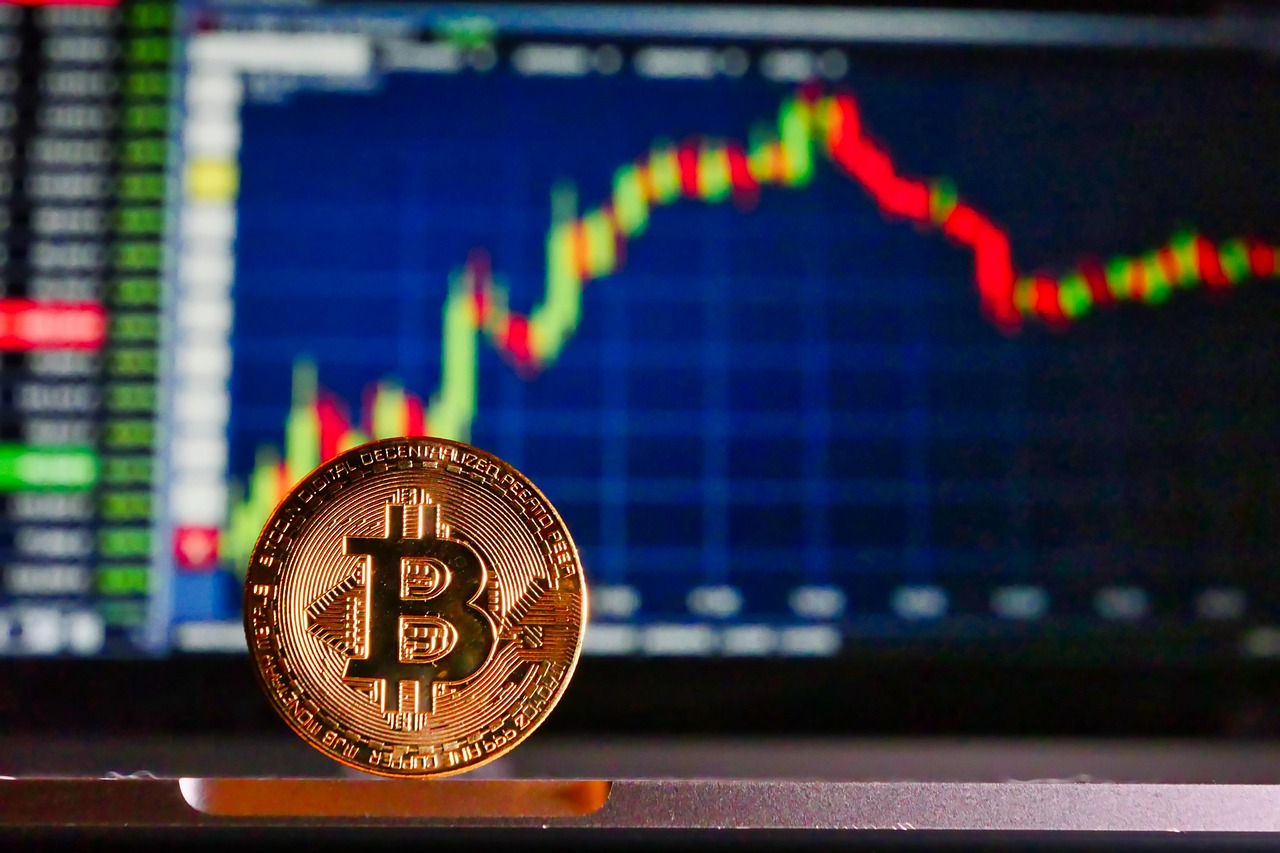
Bitcoin is a peer-to-peer payment network and public ledger described in a 2008 paper by Satoshi Nakamoto. This explainer covers how signatures, mining and difficulty adjustment work, what the network costs in electricity, who uses it, and where the US government stands as of November 1, 2026.

Money

How to Save Money Fast: Where the Evidence Points, and Where It Runs Out

Fast saving is easiest to defend in the big spending categories, in automated transfers and in where cash is parked. Federal data show many households have thin buffers and little slack. The evidence on specific cost-cutting tactics is much thinner than the advice online suggests.

Investing

Starting to Invest With Little Money: What 2026 Evidence Shows

Investing no longer requires thousands of dollars, but a small start raises its own questions. Federal Reserve survey data, fund-fee studies, SEC guidance and 2026 account rules show what has changed and what has not. The evidence is strongest on costs and cash cushions and thinnest on how small, early contributions play out.

Environment

Climate Change Explained: What Is Driving It and What Has Already Changed

Climate change is a lasting rise in global temperature, with shifts in ice, sea level and weather extremes that follow from it. The IPCC calls human responsibility for warming unequivocal, and 2025 data from WMO, NOAA, NASA and the Global Carbon Project show the trend continuing. This article lays out the evidence, where sources differ and what the research does not yet cover.

Science

Why the Sky Is Blue: Scattering, Sunlight and the Human Eye

Air molecules scatter blue light across the sky far more strongly than red, a process called Rayleigh scattering. Why the sky is not violet, why sunsets are red and why Mars has blue sunsets all follow from the same physics, with some open questions about the details.
Fitness

How to Start Working Out as a Beginner: What the Evidence Supports

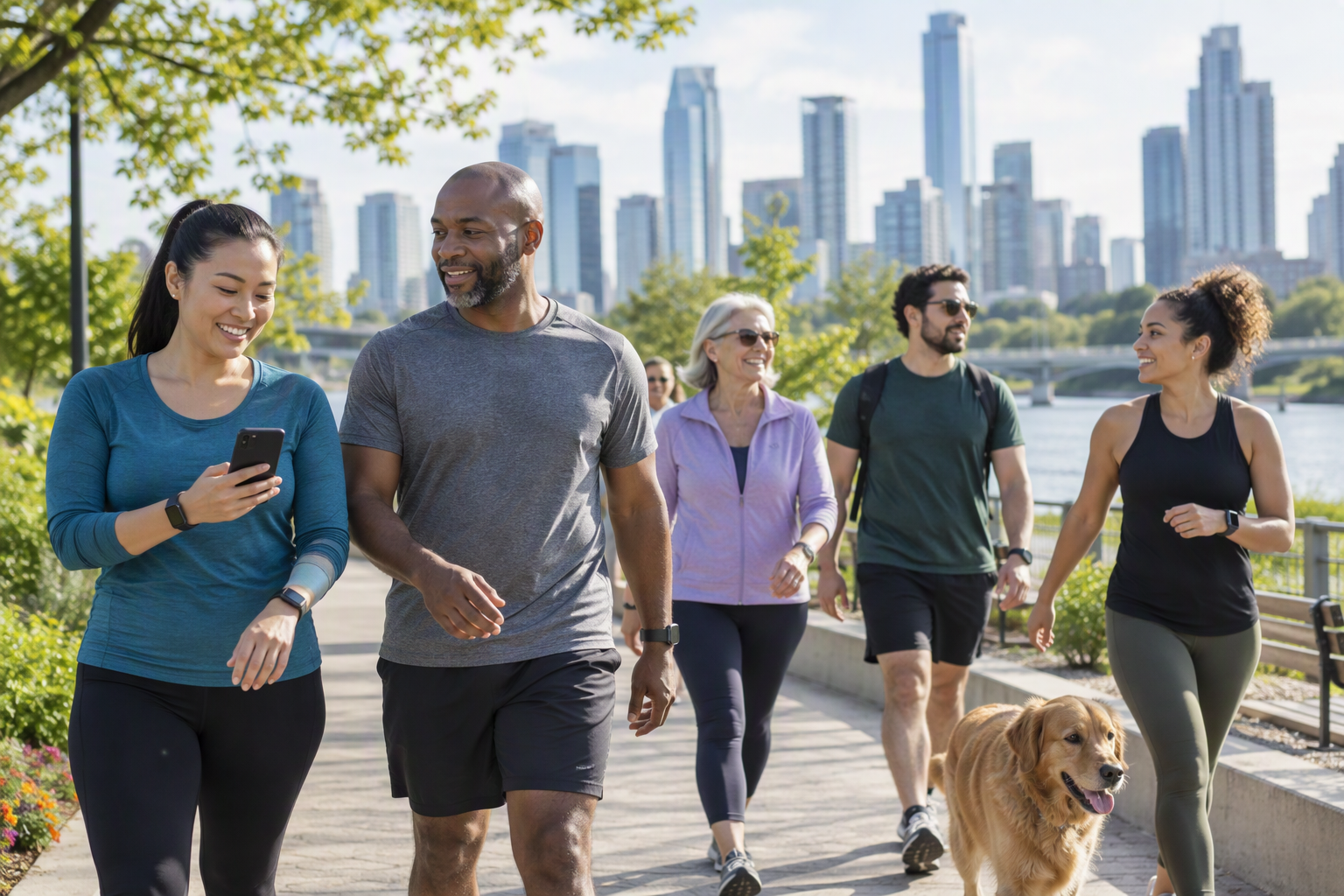
An inactive healthy adult does not need a gym or a 150-minute first week. Official guidelines endorse starting with small amounts, and observational research links about 7,000 daily steps and modest strength training to lower mortality. Most of that evidence is observational, so it shows association rather than proof of cause.

Health

There Is No Single Daily Water Number, and the Official Ones Count Food Too

The familiar eight-glass rule is not an official figure. U.S. reference values of 2.7 L for women and 3.7 L for men cover all water from beverages and food, and individual needs vary widely. Evidence on extra water for kidney stones is mixed, and results for kidney disease are not yet established.

Wellness

What Science Says About Building a Morning Routine That Lasts

A morning routine is a media category, not a tested intervention. Research on habit formation, sleep timing and light points to a few steps that are likely to help: tie new behaviors to existing cues, keep them simple, and protect a regular wake time.

Health

Anti-Inflammatory Foods: Diet Patterns Beat 'Superfoods' in the Evidence

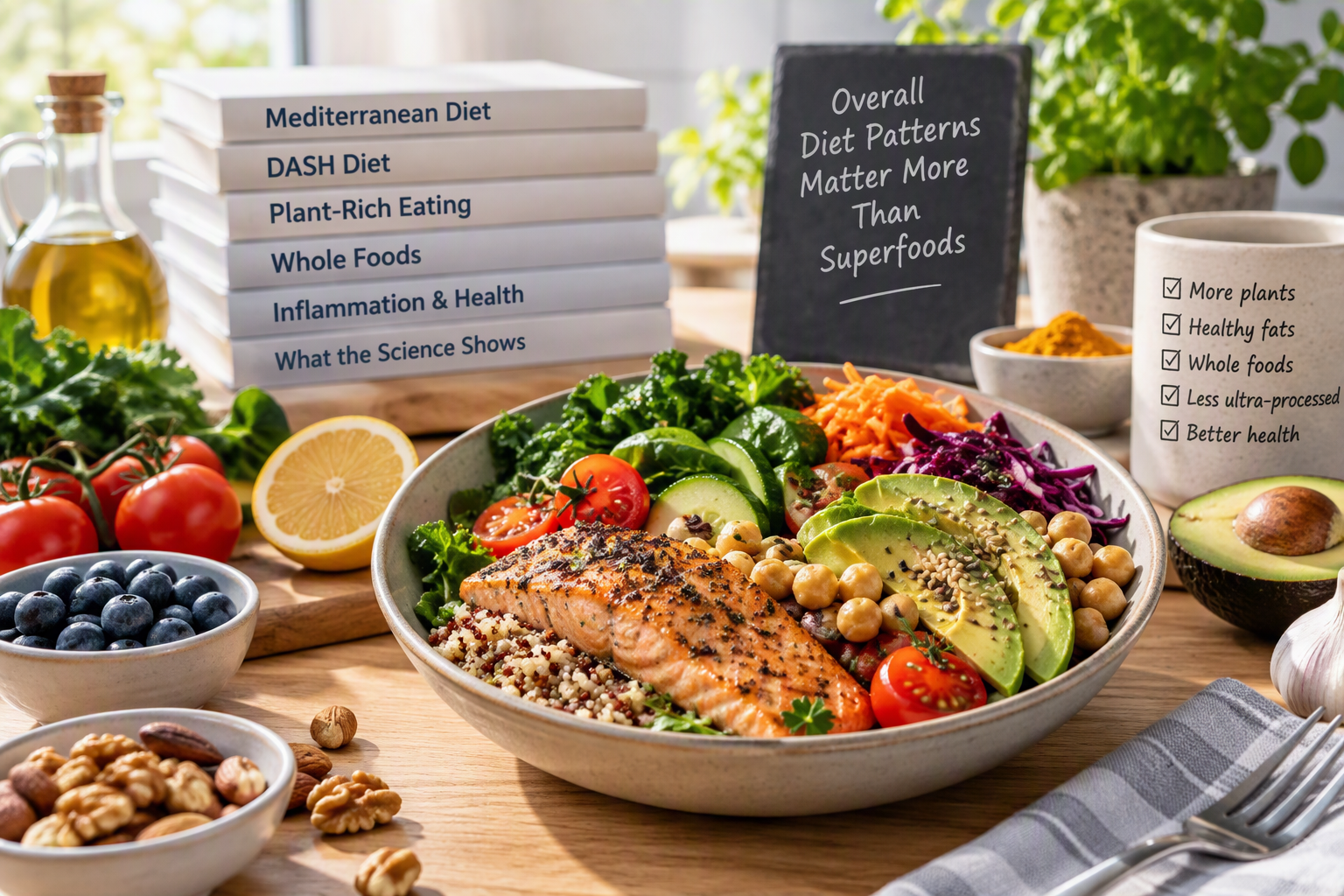
Randomized trials suggest a Mediterranean-style diet modestly lowers some blood markers of chronic inflammation. Evidence for individual foods such as nuts and whole grains is weak or small, and omega-3 and curcumin results come from supplements, not food. Whether these shifts improve health outcomes is still unresolved.

Health

10,000 Steps a Day: What the Research Shows and What It Can't Prove

The 10,000-step goal traces to a 1960s Japanese pedometer, not to a medical finding. A 2025 Lancet Public Health meta-analysis links more daily steps to lower risk of death and several diseases, with benefits slowing at roughly 5,000 to 8,000 steps, but the evidence is observational and cannot prove cause.

Health

Intermittent Fasting Works About as Well as Cutting Calories, Reviews Find

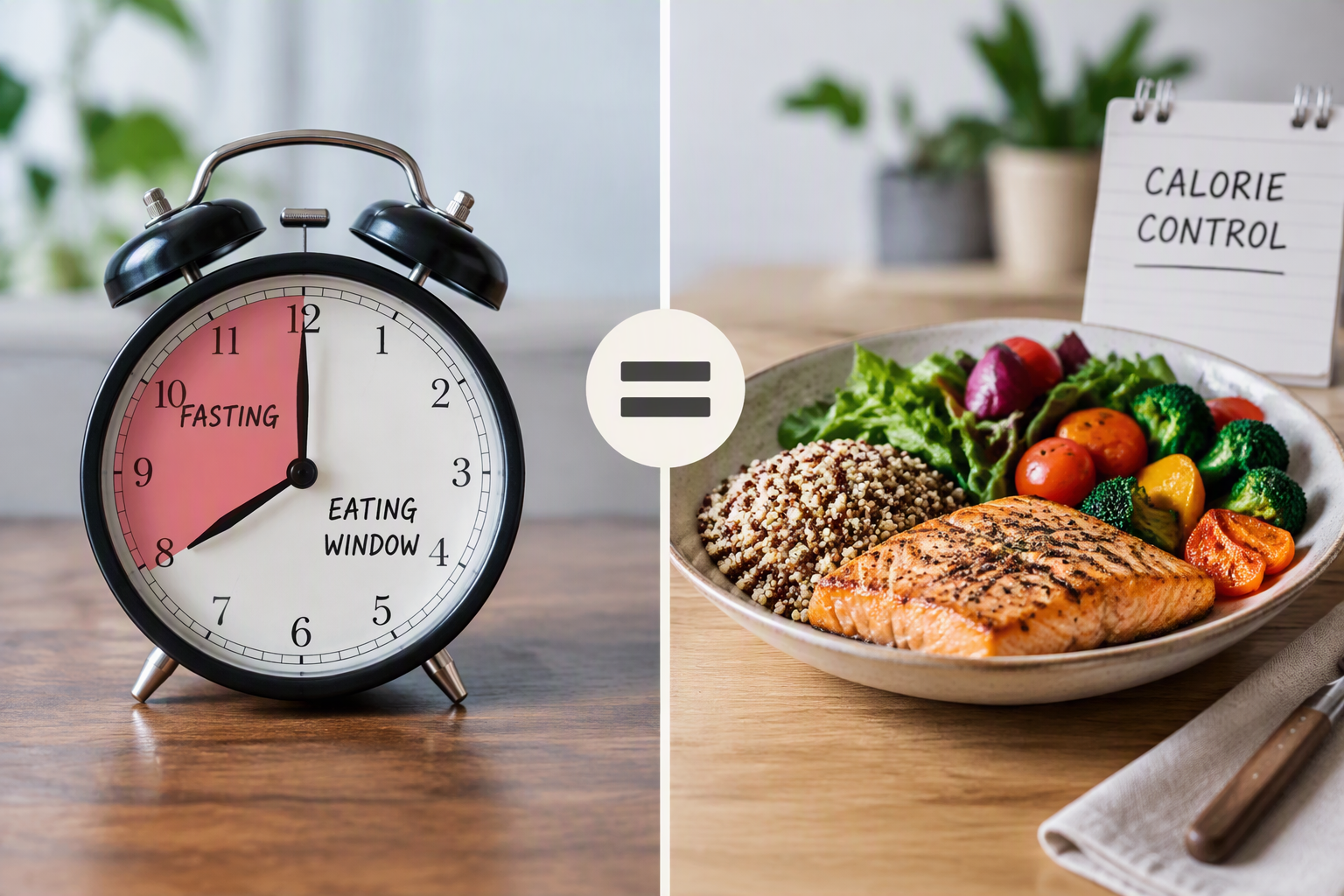
Two large reviews and a landmark trial find intermittent fasting produces modest weight loss, in the same range as ordinary calorie cutting. The widely shared claim that an 8-hour eating window raises heart-death risk by 91% comes from a preliminary abstract that has not been confirmed. Long-term benefits and safety remain unproven.

Health

Signs of Vitamin Deficiency: Which Are Specific, Which Are Vague, and How Common

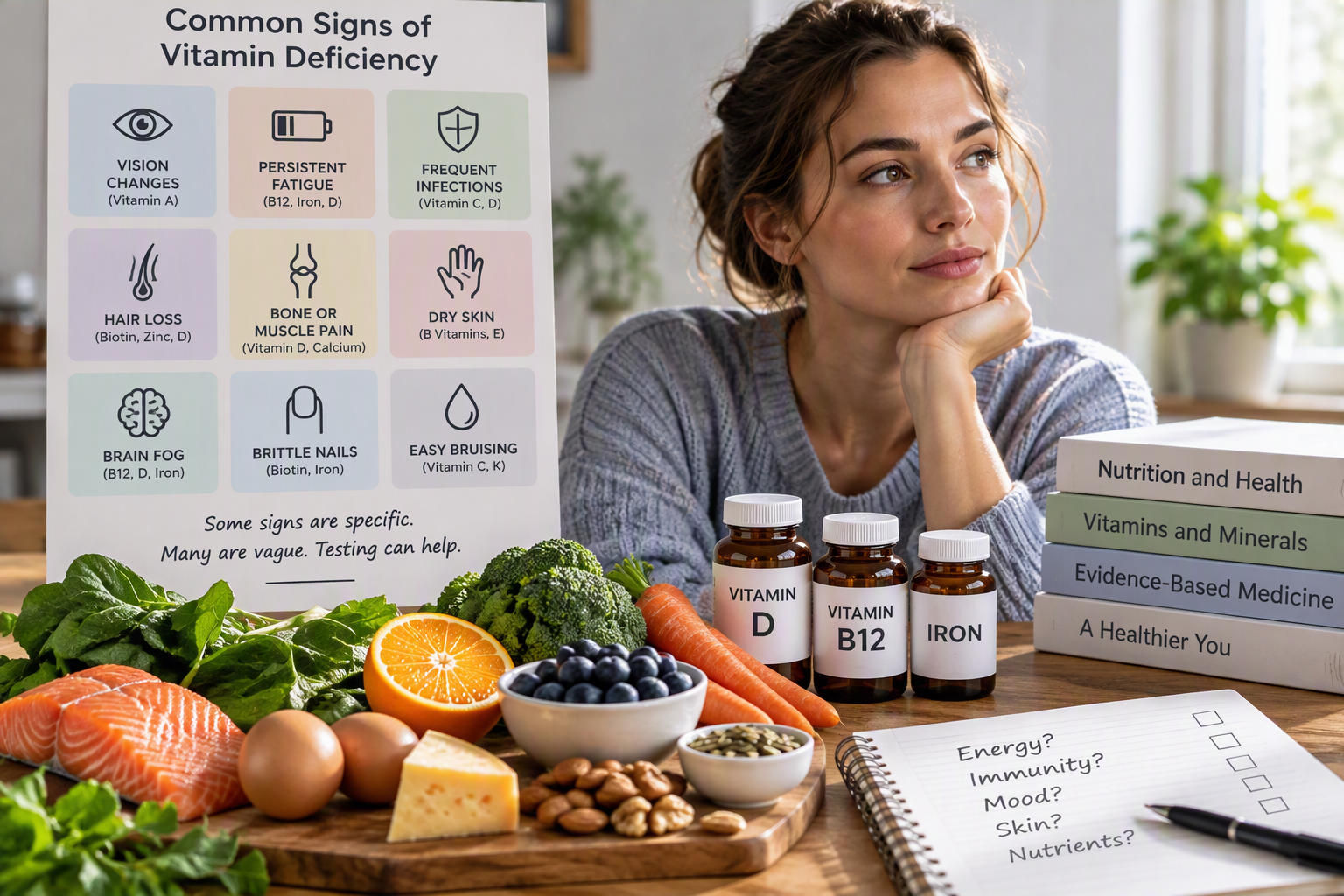
Lists of early vitamin deficiency signs tend to overstate how early, how specific and how common they are. CDC data put most single-vitamin deficiencies at under 10% of Americans, and NIH sources tie only a few signs to particular vitamins. This article sorts what the evidence supports from what it does not.

Technology

Inside the Binance Security Incident: Facts, Uncertainties, and User Guidance

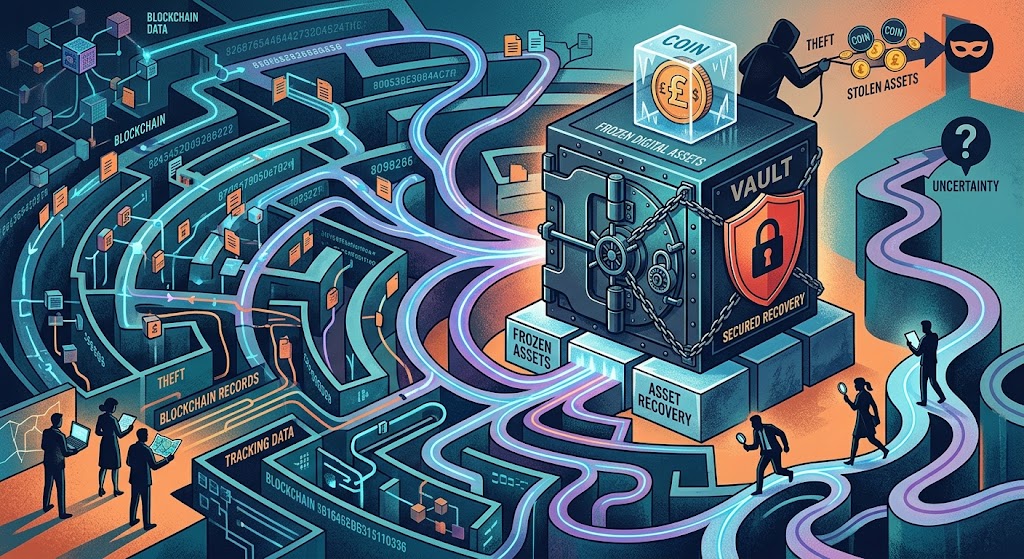
Binance is investigating a security incident it estimates affected approximately $6.3 billion in assets, making it one of the largest cryptocurrency security events ever reported. While the exchange says customer funds are protected and losses will be covered, critical questions remain about the attack path, attribution, and final recovery outcome. This report separates verified facts from unresolved claims and outlines practical steps users should take while the investigation continues.

Technology

Top Cybersecurity Threats Everyone Should Know (2026 Research Report)

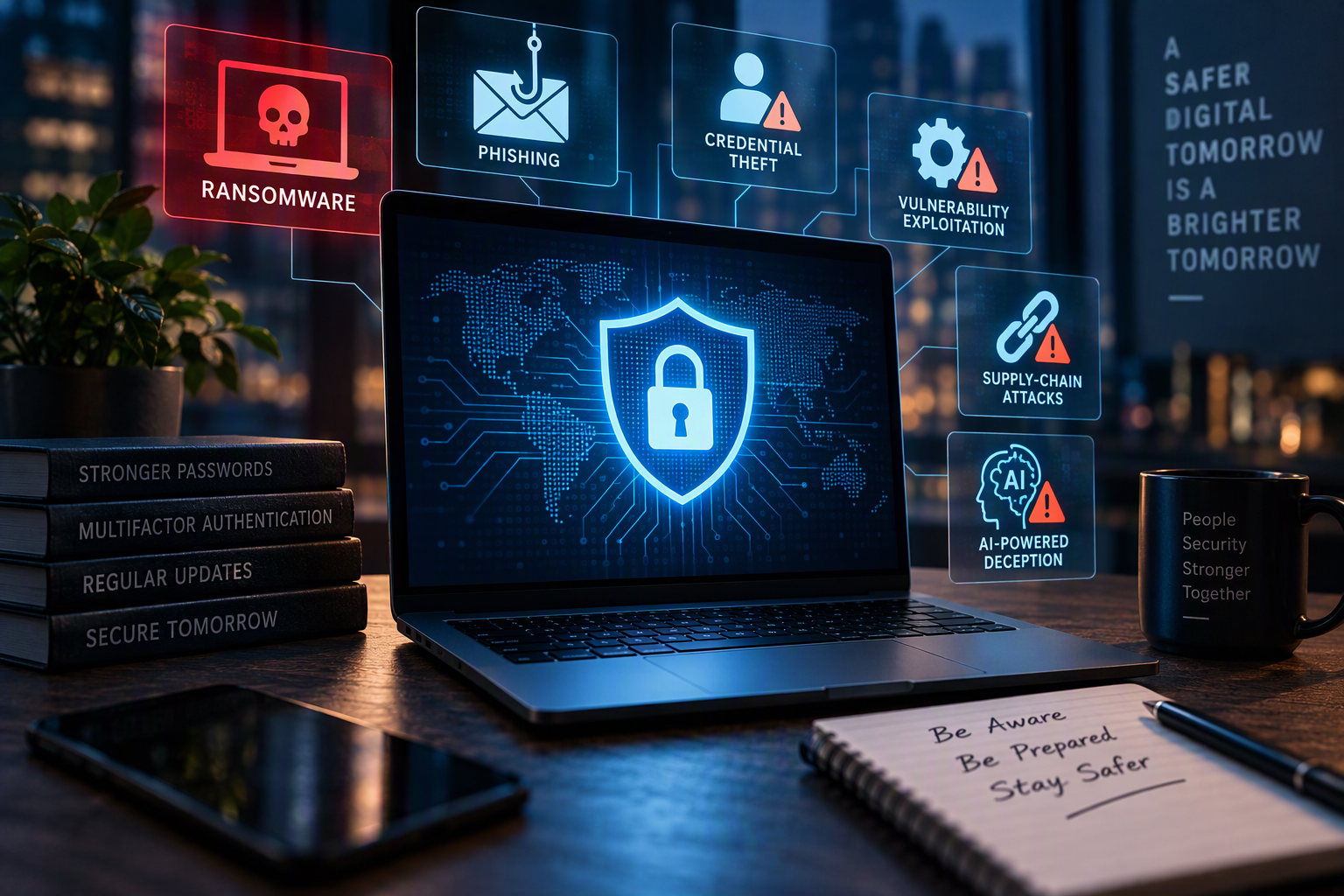
Cybersecurity threats in 2026 are becoming faster, more automated, and increasingly focused on identity rather than traditional malware. Evidence from CISA, ENISA, Verizon's Data Breach Investigations Report, CrowdStrike, and other authoritative sources identifies six dominant risks: ransomware, phishing, credential theft, vulnerability exploitation, supply-chain compromise, and AI-enabled deception. This research-based report examines what is supported by current evidence, where uncertainty remains, and what organizations and consumers should prioritize.

Lifestyle

Daily Habits of Highly Successful People: What the Evidence Actually Shows

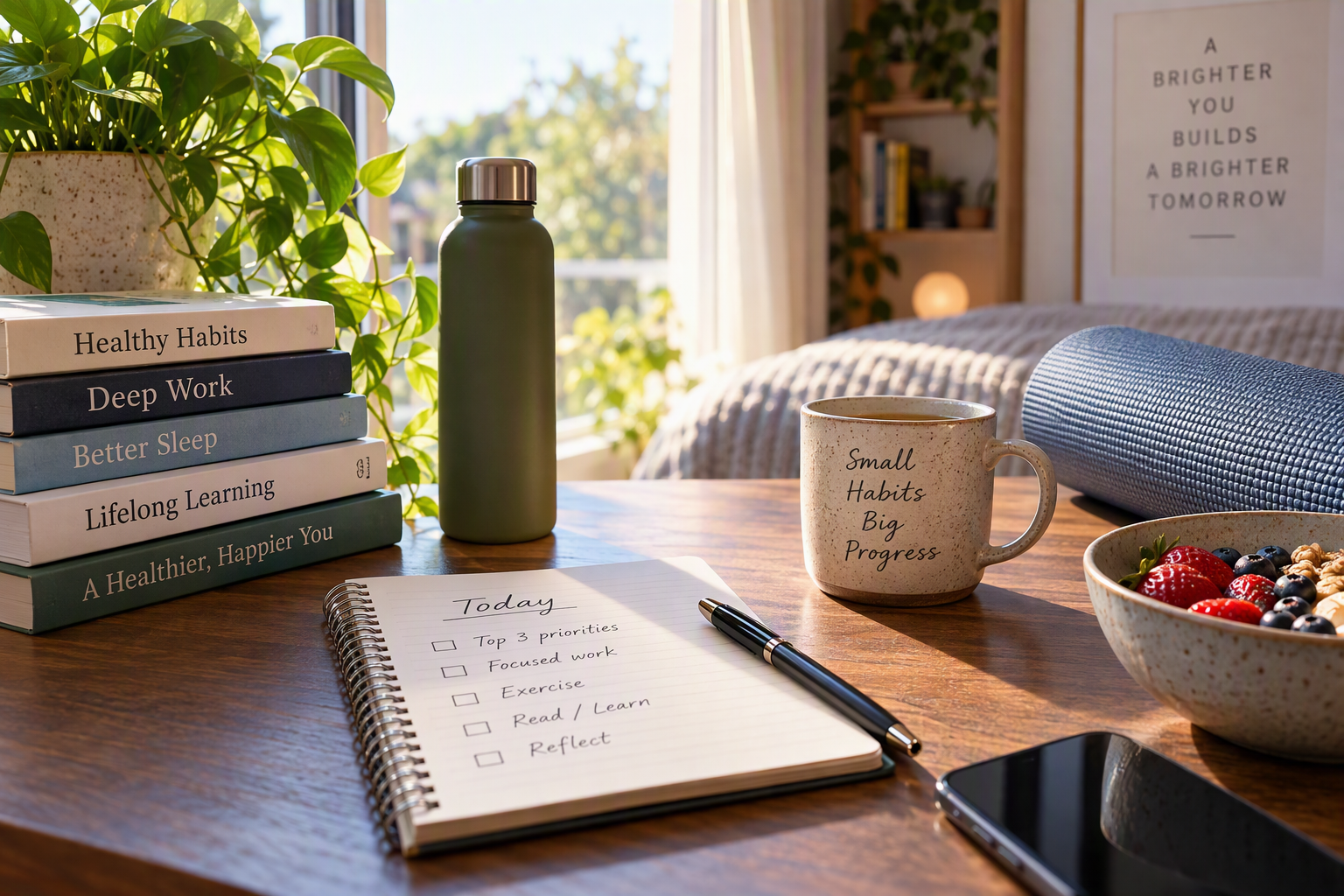
Popular success advice often revolves around dramatic routines, early wake-up times, and extraordinary self-discipline. The strongest scientific evidence points elsewhere. Research suggests that sustained success is more closely associated with consistent habits, adequate sleep, regular exercise, deliberate planning, focused work, continuous learning, and regular reflection. Rather than relying on motivation alone, high performers tend to build systems that make productive behaviors easier to repeat over time.

Technology

Best Productivity Apps for Professionals

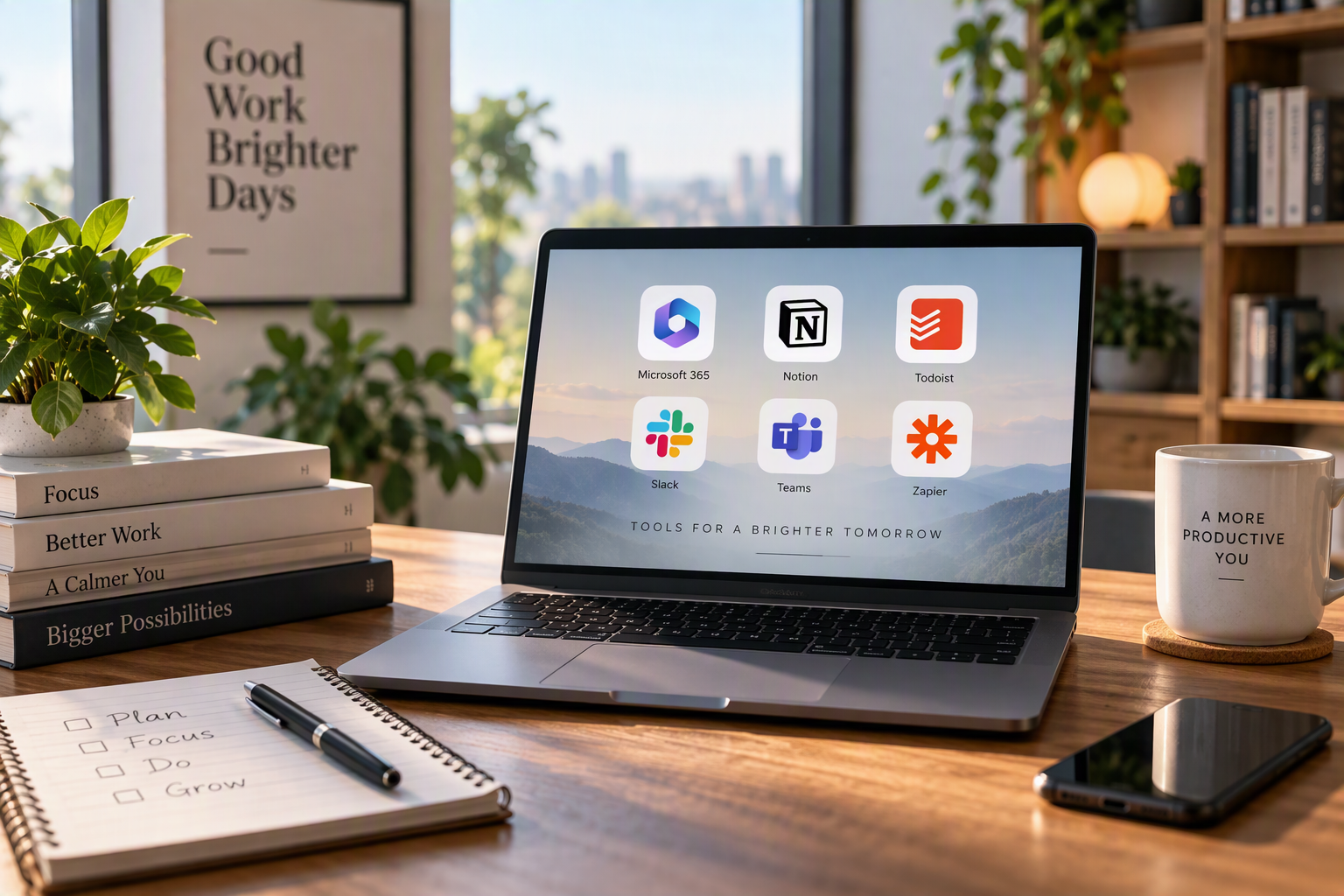
The productivity software market is saturated with apps promising better focus, organization, and output. However, the strongest evidence from 2026 reviews suggests that productivity gains come from selecting a small set of specialized tools rather than relying on a single platform. Microsoft 365 with Copilot, Notion, Todoist, Slack or Microsoft Teams, and Zapier consistently rank among the most effective options because they address distinct workplace bottlenecks including knowledge management, communication, task execution, and automation.

Finance

How to Start a Business With Little Money: An Evidence-Based Guide for 2026

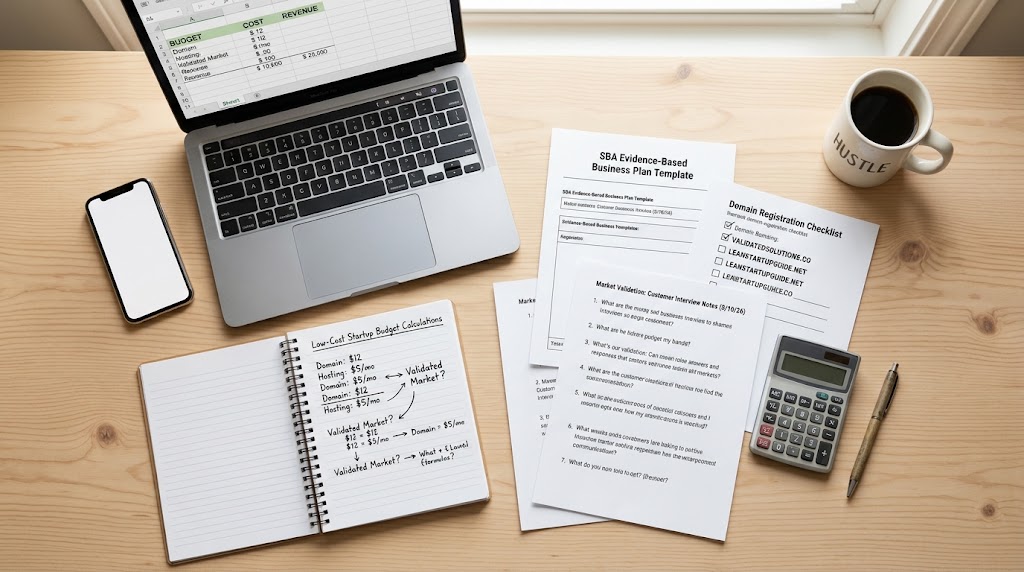
Starting a business with little money is possible, but not in the way many social media posts and entrepreneurship influencers claim. Evidence from the U.S. Small Business Administration (SBA), SCORE, the U.S. Census Bureau, and other credible sources shows that low-cost businesses are most successful when founders focus on services, digital products, market validation, and lean operations. This guide explains what the evidence actually says about launching a business on a limited budget, the startup costs entrepreneurs often overlook, and the practical steps that reduce risk while improving the chances of profitability.

Home & Living

Home Improvements That Increase Property Value: What the Latest Evidence Shows

Recent U.S. housing and remodeling research shows that the highest-return home improvements are often practical rather than luxurious. Exterior upgrades, curb-appeal projects, energy-efficiency improvements, and modest kitchen and bathroom updates consistently outperform expensive custom renovations when measured by resale value and return on investment.

Travel

Cheapest Travel Destinations This Year: Where Your Money Goes Furthest in 2026

Travel costs remain elevated across much of the world, but a group of destinations in Southeast Asia, South Asia, the Balkans, and Latin America continues to offer exceptional value. Based on a review of 2025-2026 travel-budget rankings, traveler spending databases, and destination cost analyses, Vietnam, Nepal, India, Cambodia, Laos, Indonesia, Albania, Georgia, Guatemala, and Colombia emerge as the strongest budget-friendly destinations for 2026. Vietnam stands out as the most consistently recommended destination thanks to its combination of low daily costs, reliable infrastructure, affordable transportation, and rich travel experiences.

Money

How to Build Wealth Starting With $100: What the Evidence Actually Supports in 2026

Building wealth with only $100 is possible, but not in the way many online investing claims suggest. Evidence from the SEC, Investor.gov, FINRA, and the CFPB shows that long-term wealth is typically created through emergency savings, debt reduction, diversified investing, automated contributions, and decades of compounding rather than rapid gains from a small initial investment.

Finance

Best High-Yield Savings Accounts: Which Ones Deserve Your Cash in 2026?

High-yield savings accounts continue to offer some of the safest and most effective returns available for cash reserves in 2026. With leading accounts paying between 4.00% and 4.35% APY while the average savings account yields roughly 0.64%, consumers have an opportunity to earn substantially more without taking on market risk. This analysis examines the leading accounts, key trade-offs, and what matters beyond headline interest rates.

Technology

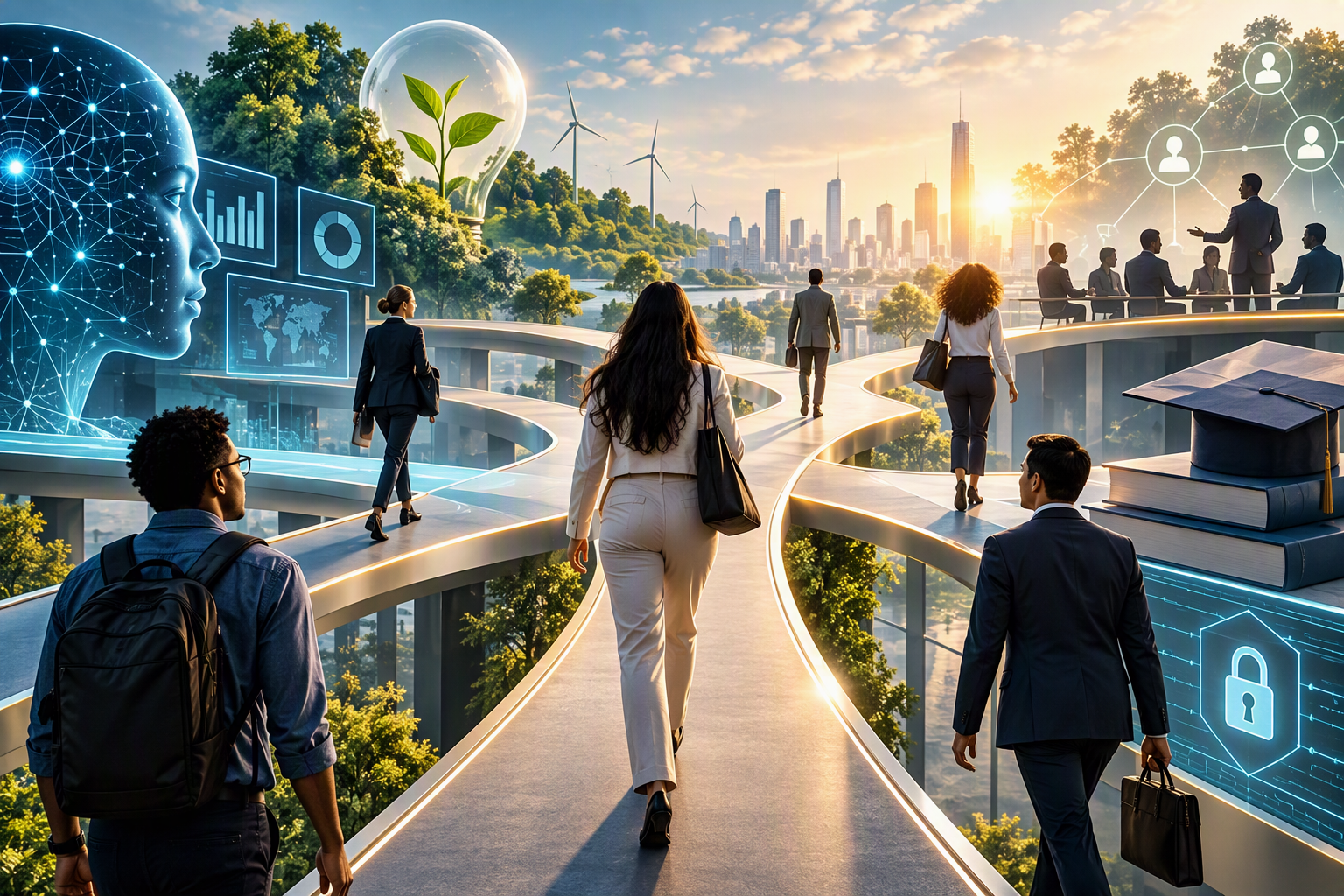
Skills That Will Be Most Valuable in the Future: What the Evidence Says About Career Success Through 2030

As artificial intelligence, automation, and economic transformation reshape global labor markets, the most valuable future skills are emerging with surprising consistency across major research organizations. Evidence from the World Economic Forum, OECD, and LinkedIn suggests that professionals who combine AI literacy, analytical thinking, adaptability, communication, leadership, and continuous learning will be best positioned for long-term career success through 2030.

Money

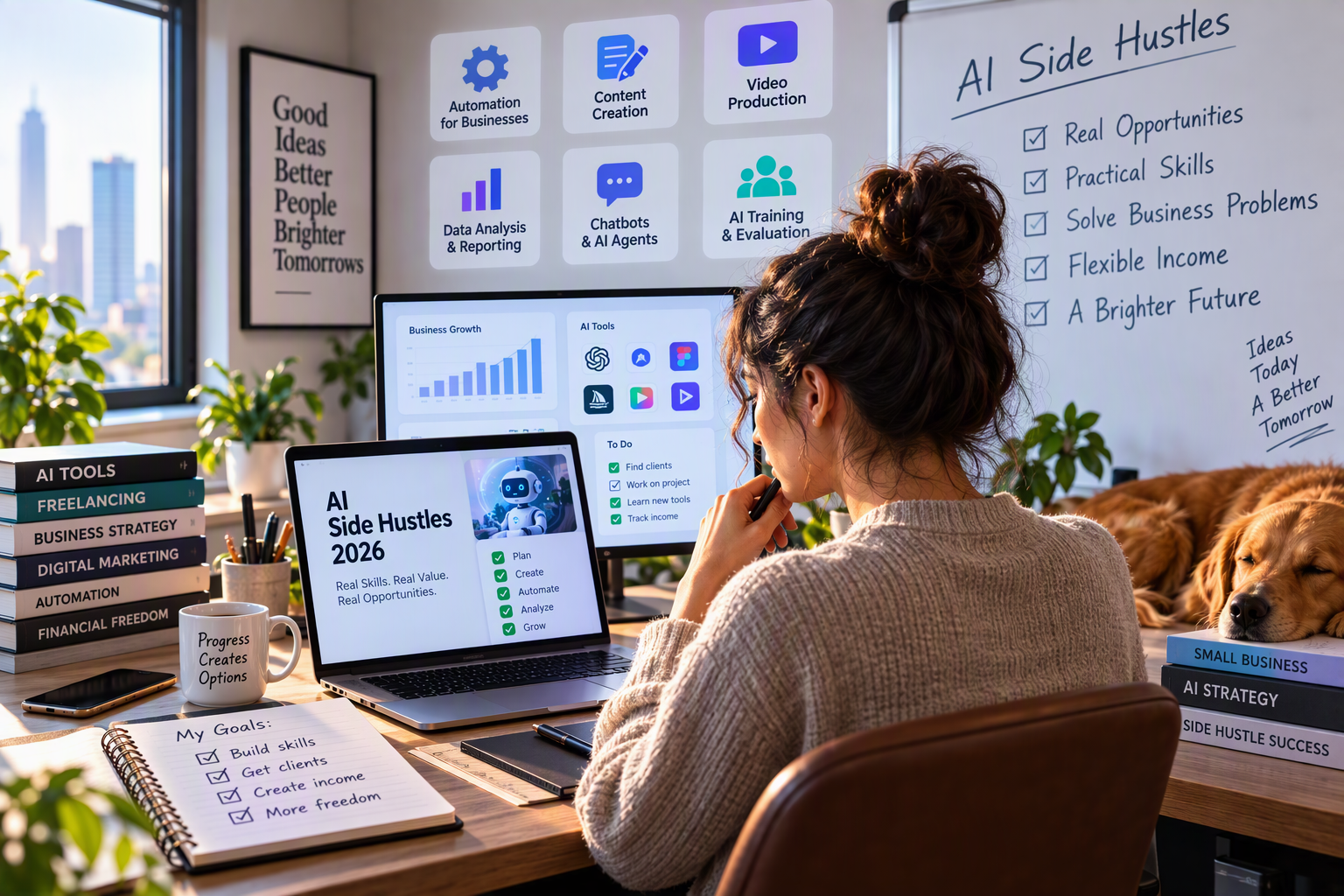
AI Side Hustles You Can Start Today (2026): What Actually Works, What Doesn't, and What the Evidence Shows

The market for AI-powered side hustles is expanding rapidly, but not every opportunity is backed by real demand. An examination of enterprise AI adoption, labor-market forecasts, and freelance-platform data shows that the strongest opportunities are service-based businesses that use AI to solve practical problems. Automation consulting, chatbot implementation, data analysis, content marketing, video production, and AI evaluation work stand out as the most evidence-supported options in 2026.

Technology

How to Recover a Hacked Social Media Account

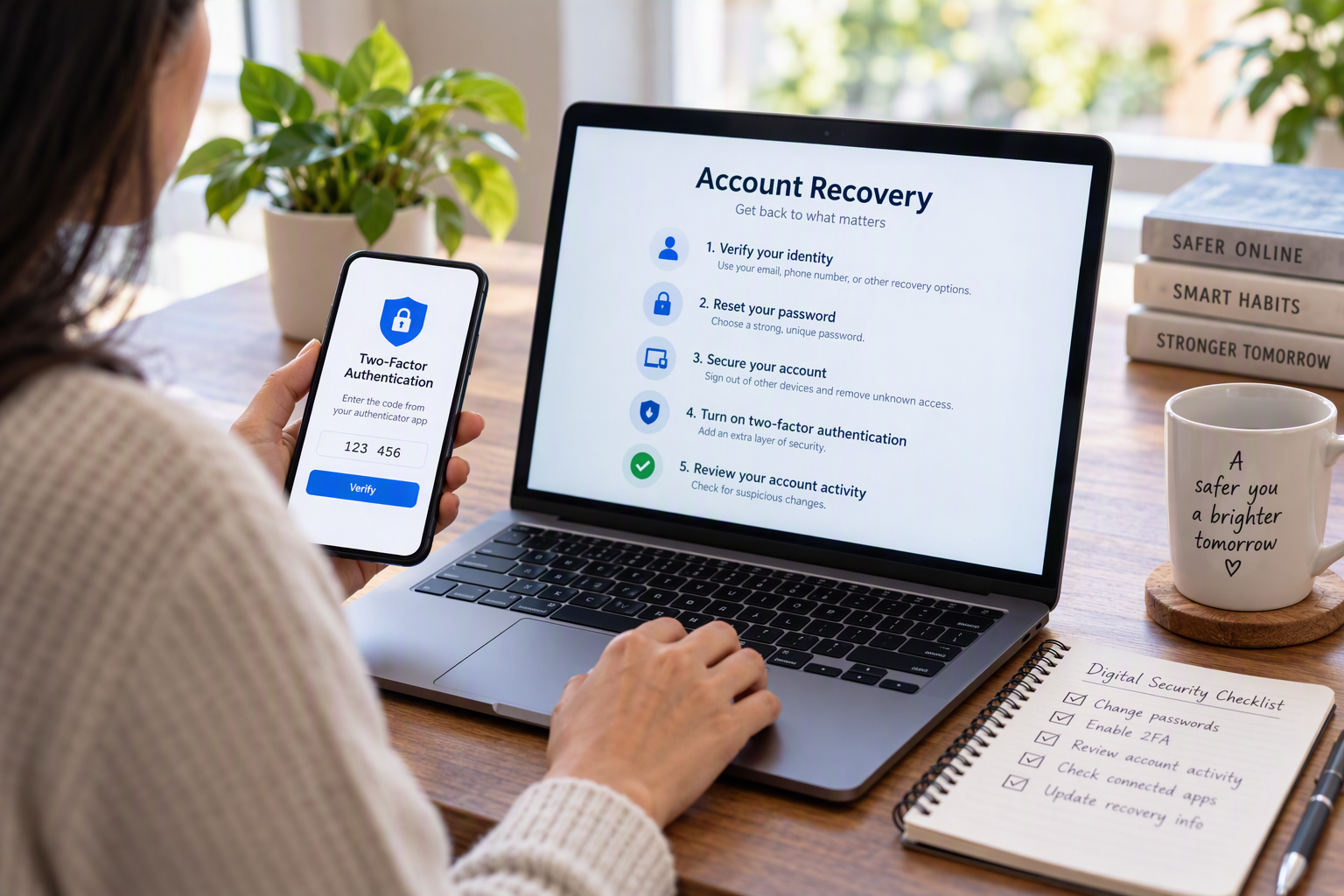
Recovering a hacked social media account can feel overwhelming, but official guidance from government agencies, major technology platforms, and cybersecurity experts points to a clear path forward. This fact-checked guide explains what to do first, why securing your email matters as much as recovering your profile, and which common recovery myths are not supported by evidence.

Money

Passive Income Ideas That Actually Work in 2026

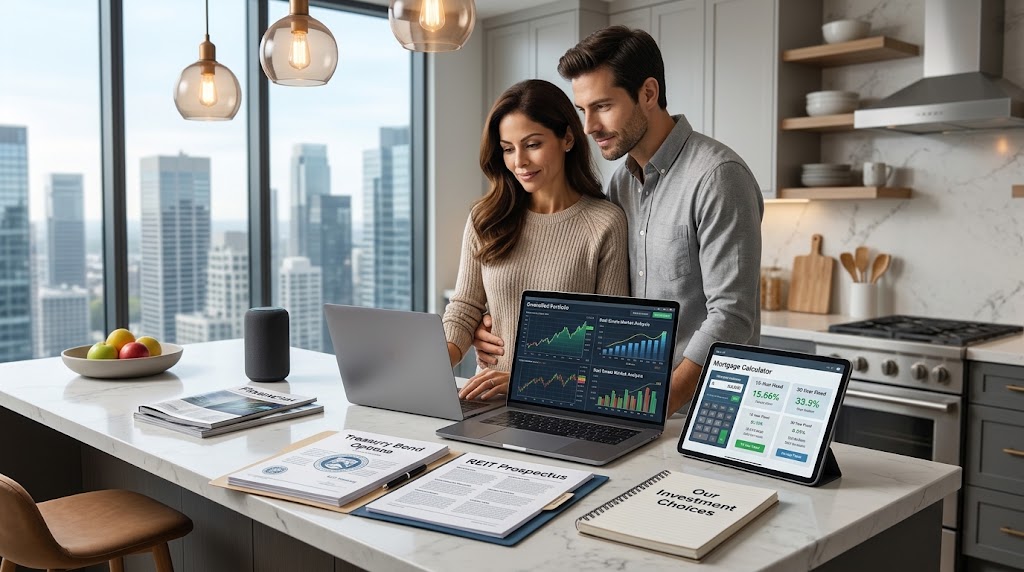
Despite endless promises of effortless online wealth, the most reliable passive-income strategies in 2026 remain remarkably traditional. Evidence from government agencies, financial regulators, and investment guidance points toward diversified index funds, high-yield savings accounts, Treasury securities, REITs, and carefully structured digital assets as the strongest options for ordinary investors.

Money

How to Improve Your Credit Score Fast

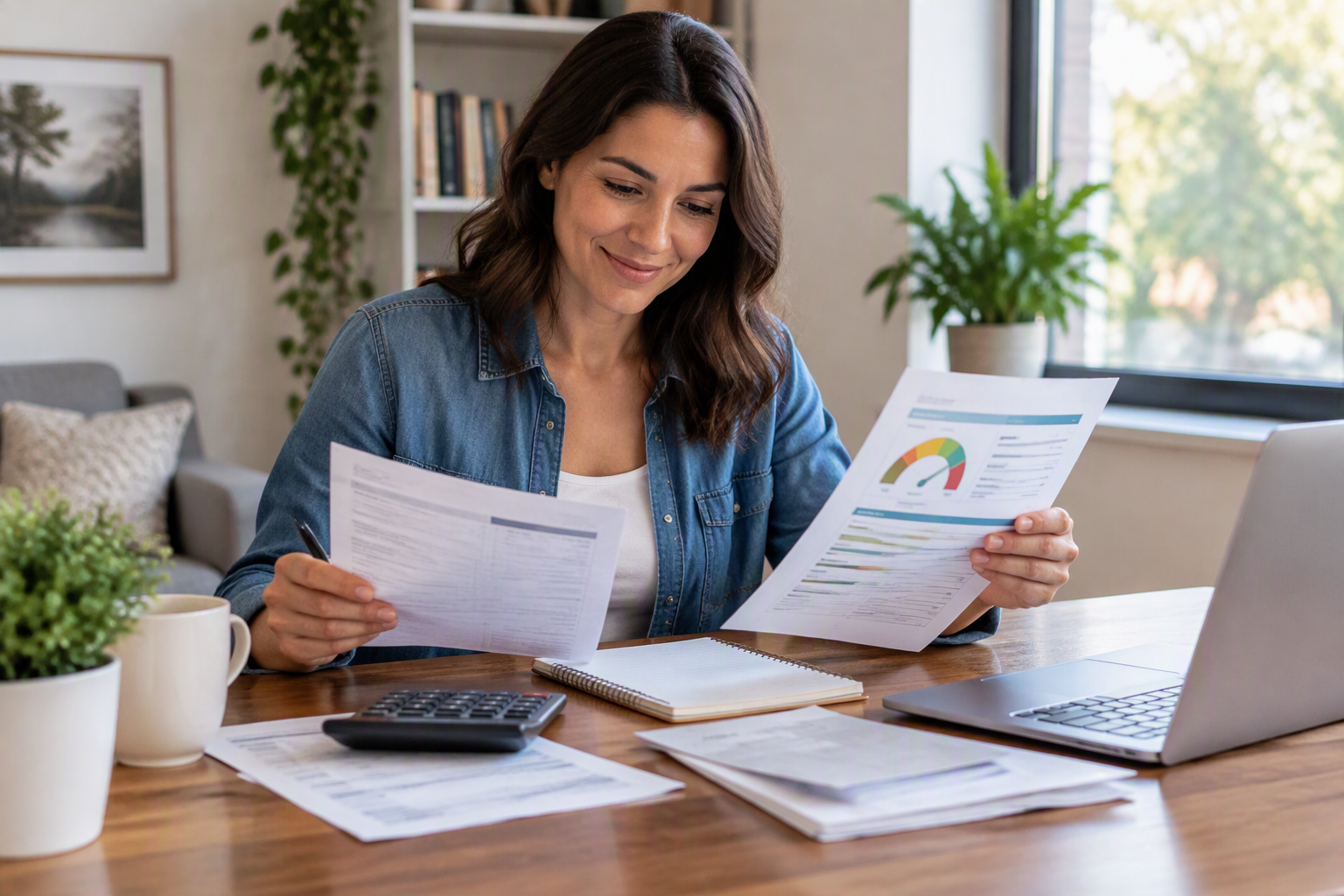
Improving a credit score takes time, but meaningful progress is often possible within 30 to 90 days. By lowering credit card balances, maintaining on-time payments, correcting credit report errors, and avoiding unnecessary credit applications, consumers can strengthen both their short-term scores and long-term financial health.

Technology

The Best AI Tools for Small Businesses in 2026

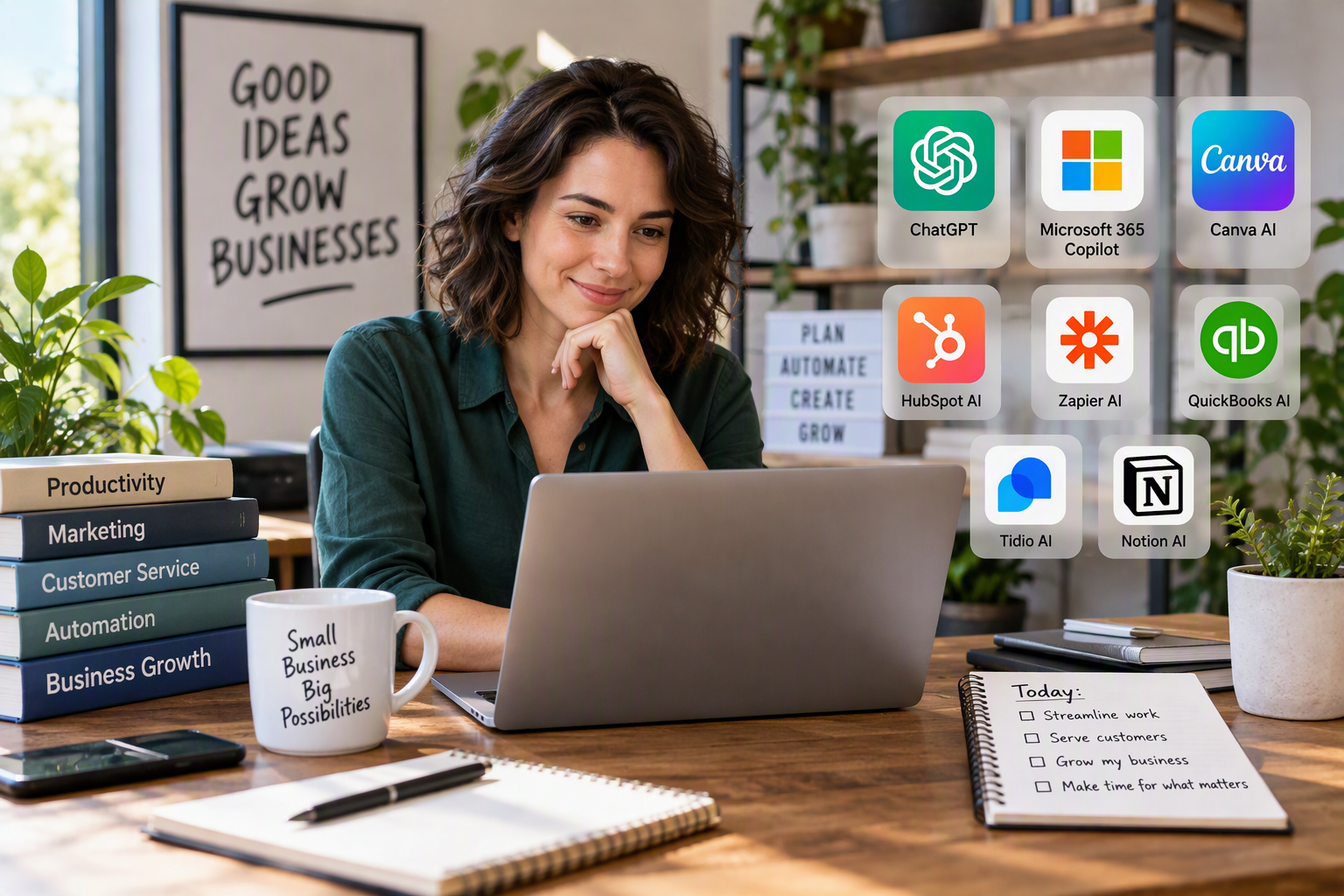
Small businesses rarely need a large collection of AI products. This guide explains how to choose three to five practical tools for writing, marketing, customer service, sales, accounting, and automation.

Money

How to Make Money Online for Beginners

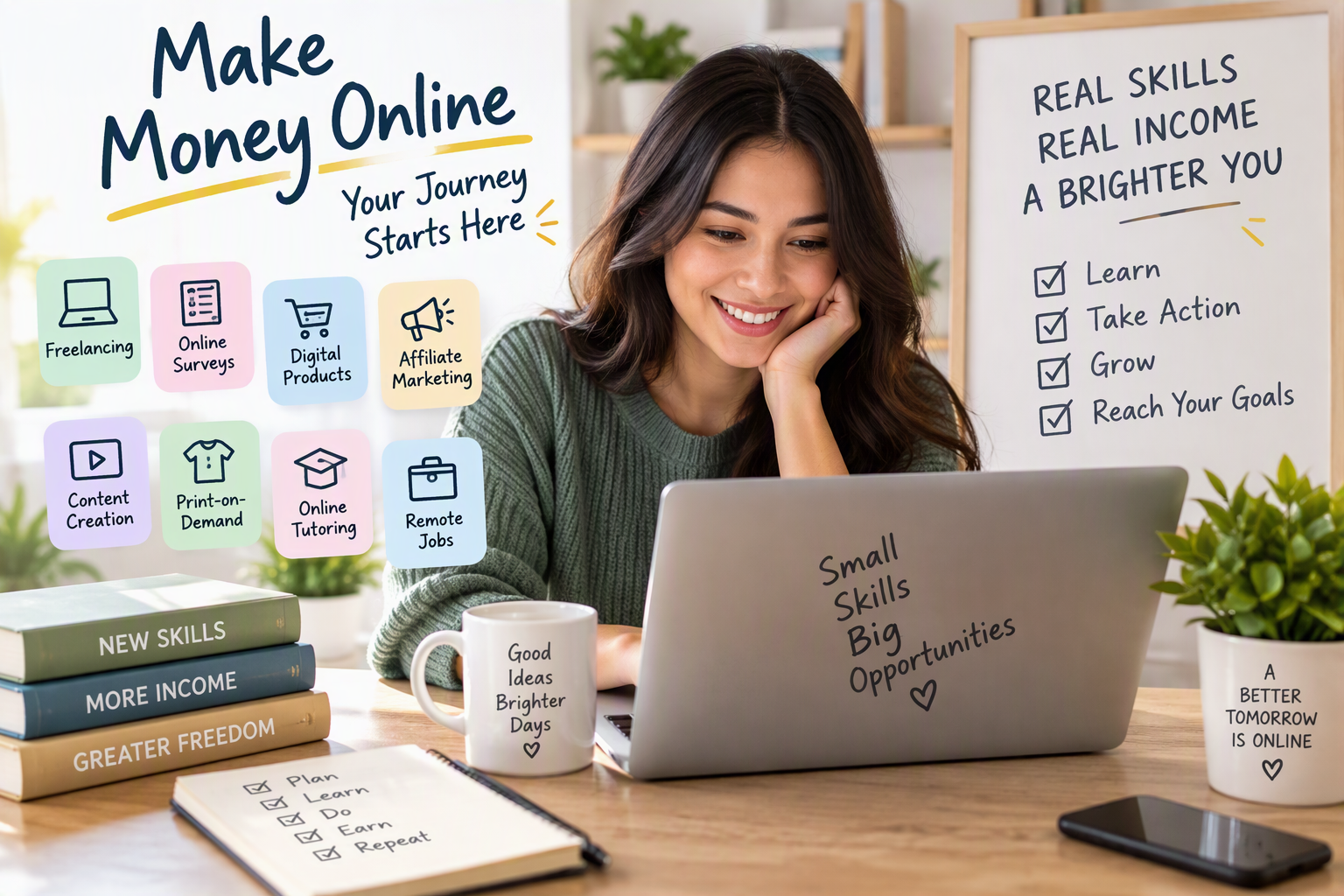
Making money online is more accessible than ever, but success comes from building valuable skills and choosing realistic opportunities. This guide explores eight beginner-friendly ways to earn online, including freelancing, digital products, affiliate marketing, content creation, online tutoring, print-on-demand, and remote work. Learn which methods offer the fastest path to income, how to avoid common scams, and a practical six-month plan to help you land your first paying clients and grow your earnings.

Health

The 30-Minute Routine That Improves Focus and Physical Health

A simple 30-minute daily routine combining movement, mindfulness, and intentional planning can sharpen focus, reduce stress, and improve overall physical health. Discover why this habit is becoming one of the most effective tools for productivity and well-being.