Health

Evidence-based reporting on wellness, nutrition, fitness and longevity — for people who want to live better, for longer.

Health

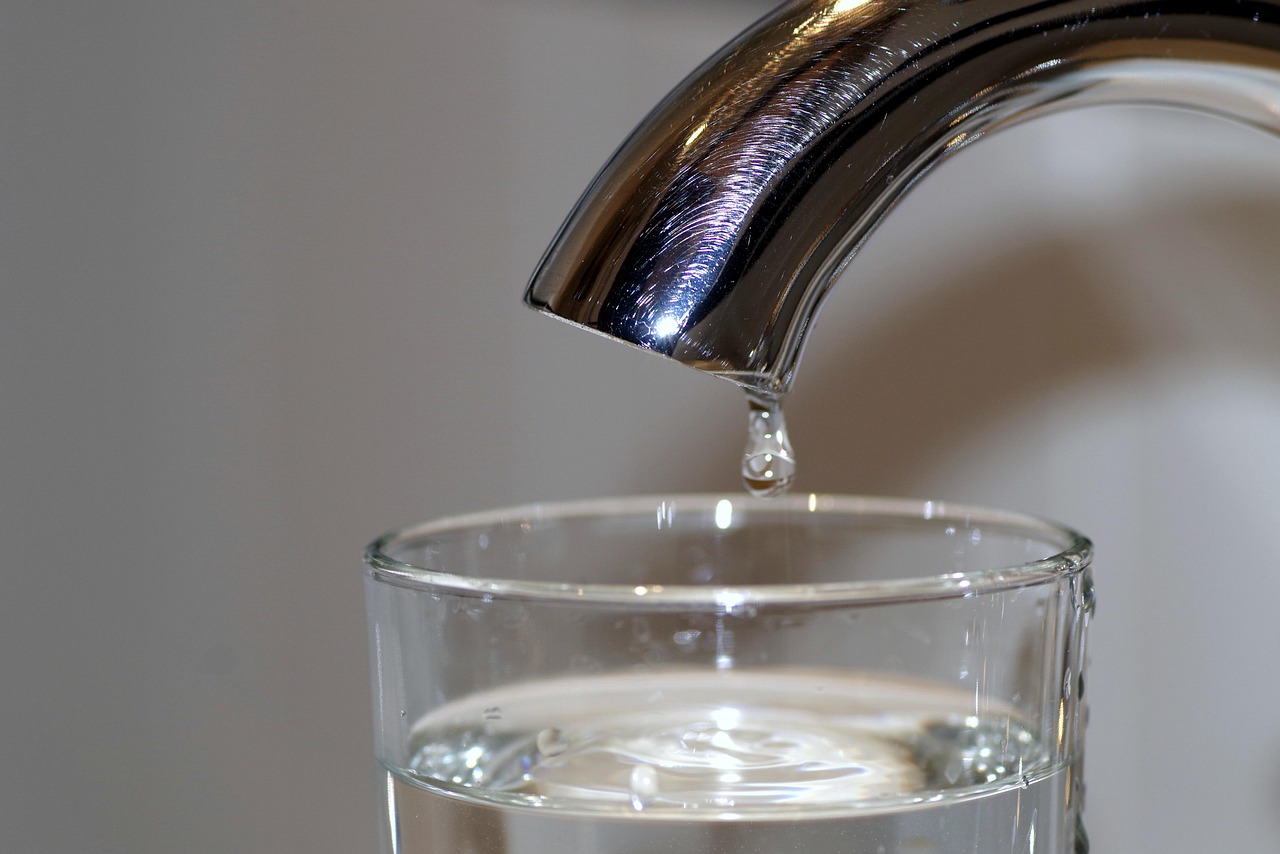
There Is No Single Daily Water Number, and the Official Ones Count Food Too

The familiar eight-glass rule is not an official figure. U.S. reference values of 2.7 L for women and 3.7 L for men cover all water from beverages and food, and individual needs vary widely. Evidence on extra water for kidney stones is mixed, and results for kidney disease are not yet established.

More in Health

Health

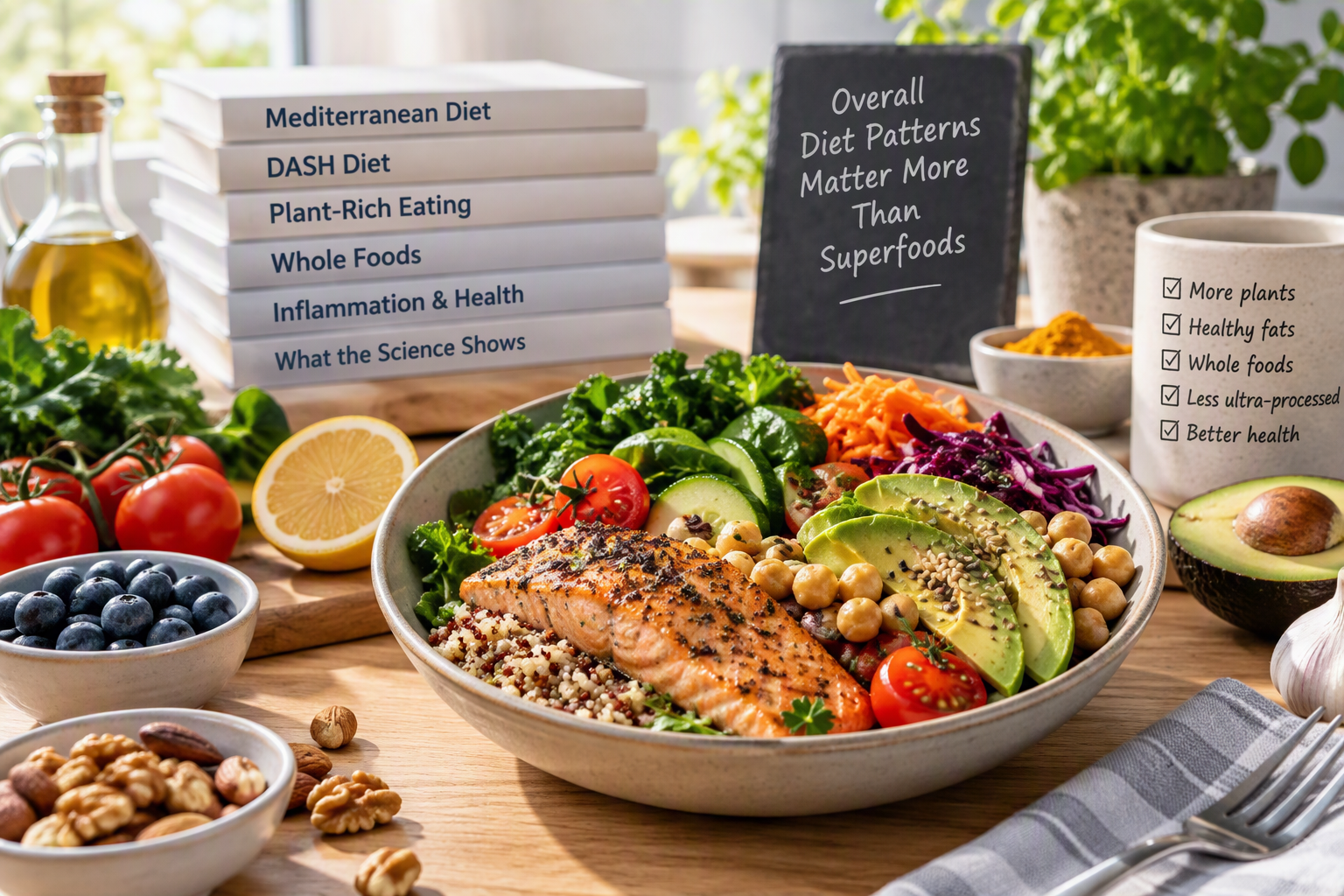
Anti-Inflammatory Foods: Diet Patterns Beat 'Superfoods' in the Evidence

Randomized trials suggest a Mediterranean-style diet modestly lowers some blood markers of chronic inflammation. Evidence for individual foods such as nuts and whole grains is weak or small, and omega-3 and curcumin results come from supplements, not food. Whether these shifts improve health outcomes is still unresolved.

Health

10,000 Steps a Day: What the Research Shows and What It Can't Prove

The 10,000-step goal traces to a 1960s Japanese pedometer, not to a medical finding. A 2025 Lancet Public Health meta-analysis links more daily steps to lower risk of death and several diseases, with benefits slowing at roughly 5,000 to 8,000 steps, but the evidence is observational and cannot prove cause.

Health

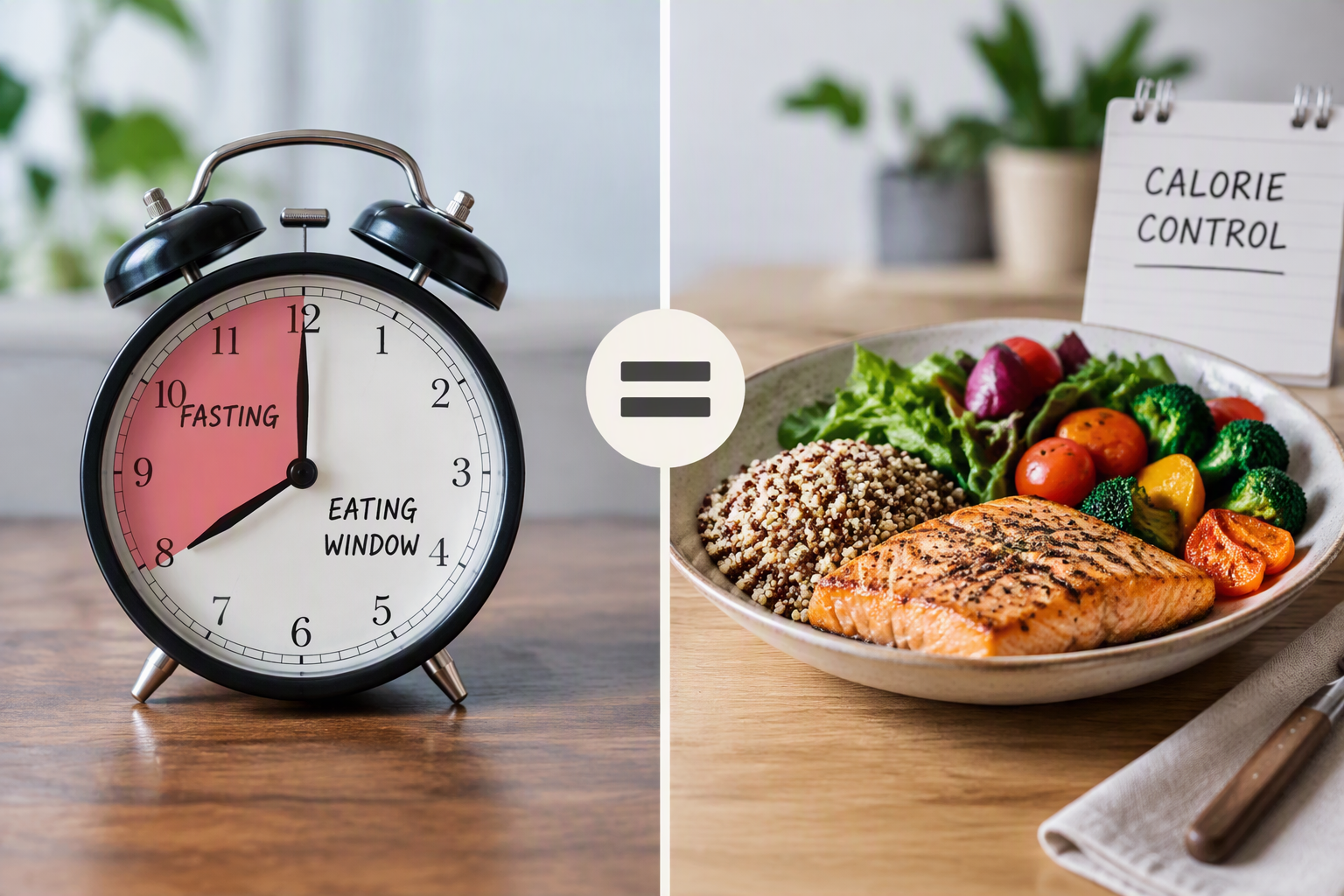
Intermittent Fasting Works About as Well as Cutting Calories, Reviews Find

Two large reviews and a landmark trial find intermittent fasting produces modest weight loss, in the same range as ordinary calorie cutting. The widely shared claim that an 8-hour eating window raises heart-death risk by 91% comes from a preliminary abstract that has not been confirmed. Long-term benefits and safety remain unproven.

Health

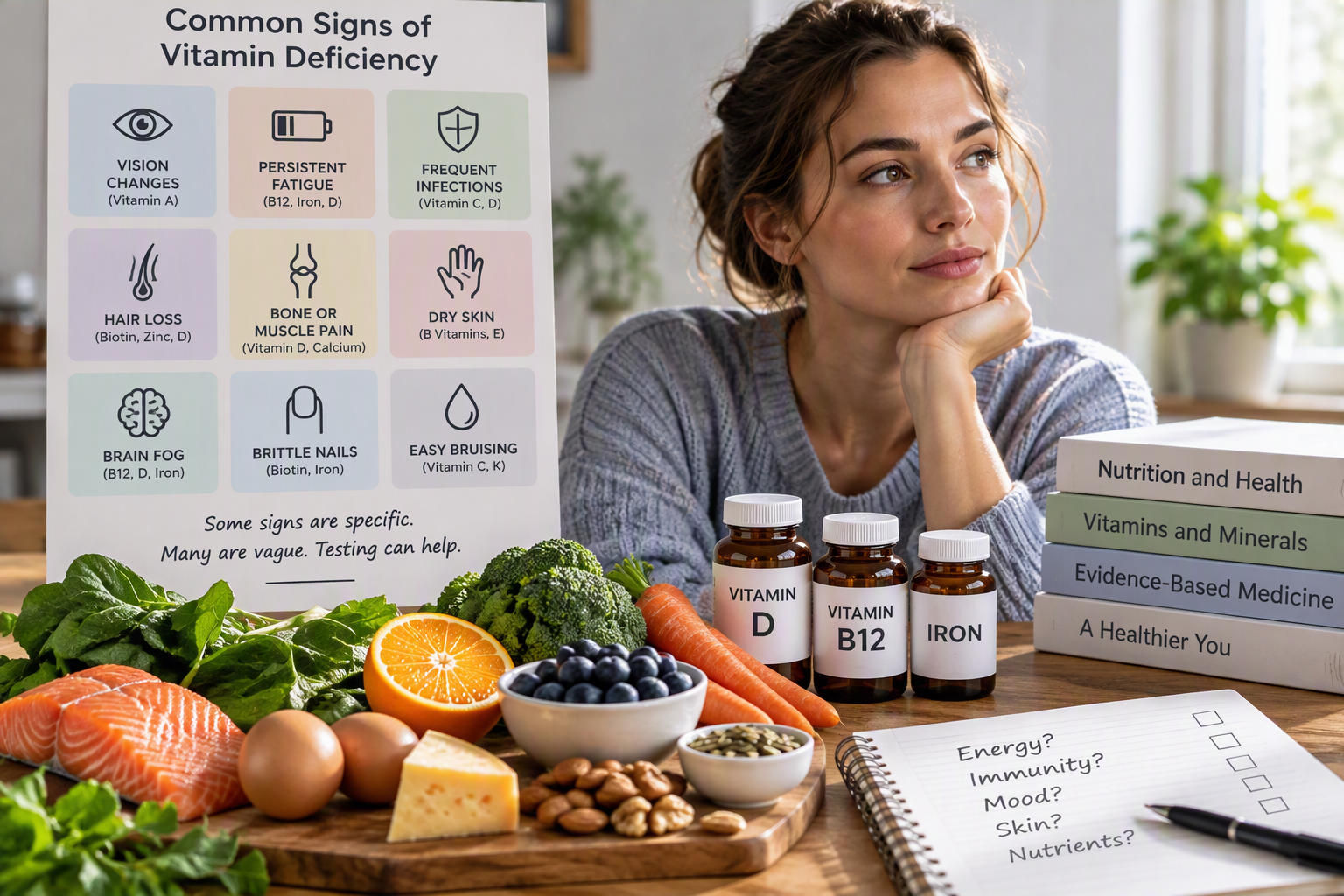
Signs of Vitamin Deficiency: Which Are Specific, Which Are Vague, and How Common

Lists of early vitamin deficiency signs tend to overstate how early, how specific and how common they are. CDC data put most single-vitamin deficiencies at under 10% of Americans, and NIH sources tie only a few signs to particular vitamins. This article sorts what the evidence supports from what it does not.

Health

The 30-Minute Routine That Improves Focus and Physical Health

A simple 30-minute daily routine combining movement, mindfulness, and intentional planning can sharpen focus, reduce stress, and improve overall physical health. Discover why this habit is becoming one of the most effective tools for productivity and well-being.