
Inside the Binance Security Incident: Facts, Uncertainties, and User Guidance
A roughly $6.3 billion security incident has triggered one of the largest investigations in cryptocurrency history. Here is what has been confirmed, what remains uncertain, and what Binance users should know right now.
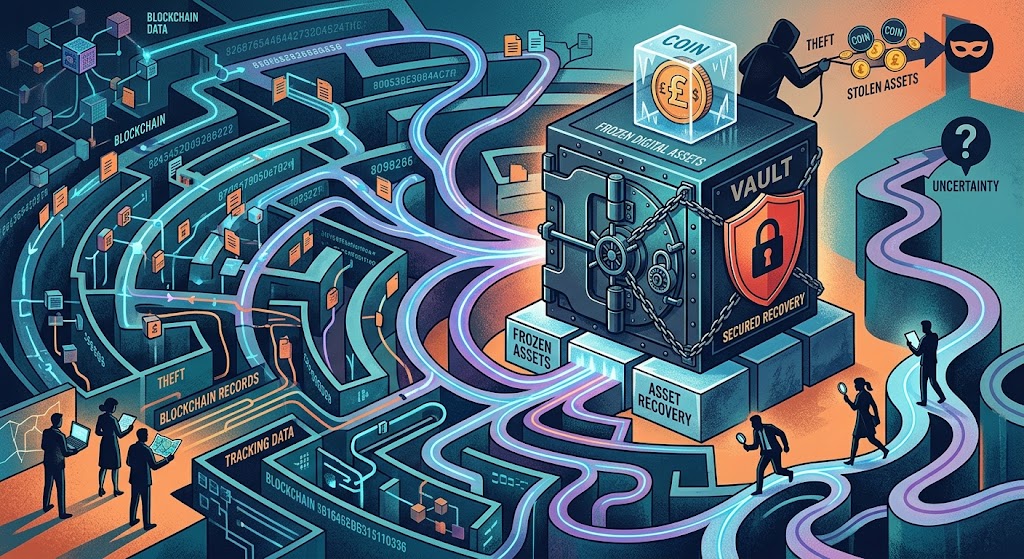
Binance is investigating a security incident it estimates affected approximately $6.3 billion in assets, making it one of the largest cryptocurrency security events ever reported. While the exchange says customer funds are protected and losses will be covered, critical questions remain about the attack path, attribution, and final recovery outcome. This report separates verified facts from unresolved claims and outlines practical steps users should take while the investigation continues.
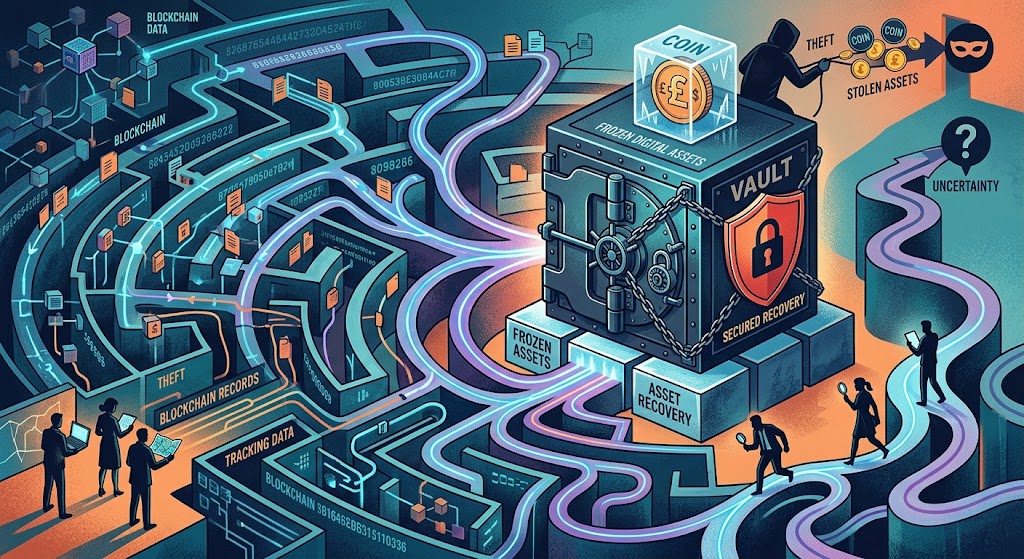
Binance is investigating a security incident it estimates affected approximately $6.3 billion in assets, making it one of the largest cryptocurrency security events ever reported. While the exchange says customer funds are protected and losses will be covered, critical questions remain about the attack path, attribution, and final recovery outcome. This report separates verified facts from unresolved claims and outlines practical steps users should take while the investigation continues.
When massive security incidents occur in the cryptocurrency industry, information often spreads faster than verified facts. The reported Binance security incident disclosed on October 29-30, 2026, is a clear example.
The company estimates that approximately $6.3 billion in assets were affected, a figure that would place the incident among the largest cryptocurrency security breaches ever reported. Yet despite intense media attention and widespread speculation across social platforms, many important details remain under investigation.
The challenge for users is separating what has been established from what is still being examined by investigators, blockchain intelligence firms, and Binance itself.
The strongest and best-supported fact is that Binance publicly acknowledged a significant security incident and launched a response effort.
According to Binance's official disclosures, the company identified unauthorized activity involving assets valued at roughly $6.3 billion. The exchange responded by implementing security measures, conducting forensic investigations, coordinating with industry partners, and working to trace affected funds.
Multiple independent news organizations, including CNBC, Forbes, Associated Press reporting, and Al Jazeera, reported similar figures and confirmed Binance's public response efforts.
Binance also states that it has frozen or helped freeze approximately $3 billion in affected assets through cooperation with cryptocurrency exchanges, stablecoin issuers, blockchain intelligence firms, and law enforcement partners. If accurate, these freezes could significantly reduce the eventual net financial impact.
Another important claim made by Binance is that investigators have found no evidence that wallet private keys were compromised. While that finding has not yet received independent forensic verification, it remains Binance's current assessment and would suggest a different attack mechanism than a direct private-key breach.
Binance's preliminary investigation points toward a compromised DevOps engineer laptop as a potential entry point.
According to the company, attackers may have leveraged that access to interact with an internal service container and execute unauthorized withdrawal transactions. Binance emphasizes that this remains an early finding rather than a completed forensic conclusion.
That distinction matters.
Initial incident reports frequently evolve as investigators collect evidence, analyze logs, and reconstruct attacker behavior. What appears to be the root cause in the first 24 to 48 hours can change after deeper forensic review.
As a result, the compromised-laptop explanation should currently be viewed as a leading working theory rather than a final determination.
Why Attribution Remains Uncertain
One of the most widely discussed aspects of the incident concerns responsibility.
Several blockchain intelligence firms reportedly linked the attack to North Korea's TraderTraitor or Lazarus-associated ecosystem. Reports citing assessments from organizations such as TRM Labs and Chainalysis suggest investigators see similarities between this incident and previous North Korean-linked cryptocurrency operations.
However, an important distinction often gets lost in online discussions.
As of the reporting period covered in the evidence packet, Binance had not officially attributed responsibility. Public government confirmation had not been reported, and cyberattack attribution remains a complex process that can evolve as new evidence emerges.
History shows that premature attribution can create confusion and undermine confidence in later findings. For that reason, claims that responsibility has been definitively established should be treated cautiously until official investigations are completed.
Although the figure of approximately $6.3 billion has become the headline number, it should not be confused with the final net loss.
Many of the affected assets are reportedly being tracked. Some have already been frozen. Others may potentially be recovered through exchange coordination, legal action, stablecoin controls, or law enforcement intervention.
This means the final economic impact could differ substantially from early estimates.
Recovery efforts in cryptocurrency investigations often unfold over months or years, making early loss figures inherently preliminary. Until the asset recovery process is further advanced, the ultimate financial impact remains unknown.
Why Conflicting Headlines Appeared
Many users encountered contradictory reports during the early stages of the incident.
Part of that confusion appears tied to Binance's evolving public messaging. Independent reporting documented revisions to company statements as additional information became available.
Such updates are not unusual during major incident responses. Organizations often publish preliminary information, verify facts, and then revise disclosures as investigations progress.
The result, however, was a fragmented information environment in which different outlets cited different versions of the company's statements. This helps explain why some headlines appeared to conflict even when they referred to the same event.
Binance's Promise to Cover Losses
Binance has stated that it intends to cover losses using its Secure Asset Fund for Users (SAFU) and company resources.
This commitment provides reassurance to customers concerned about account balances and platform solvency. However, the long-term execution of that commitment remains an open question until recovery efforts, audits, and final accounting processes are completed.
The distinction is important: a public commitment is a documented fact, while the final implementation of that commitment remains a future outcome.
What Users Should Do Right Now
For individual users, the most immediate risk may not be the original breach itself but the wave of scams that frequently follows major security incidents.
Users should rely exclusively on official Binance communications and avoid links distributed through social media replies, Telegram groups, Discord messages, or unsolicited emails claiming urgent action is required.
Account security should also be reviewed immediately. Sensible precautions include:
- Changing Binance account passwords.
- Confirming two-factor authentication remains active.
- Regenerating API keys for automated trading systems.
- Removing unused devices and session access.
- Reviewing withdrawal-whitelist settings.
Users should verify balances and transaction histories directly inside Binance rather than relying on screenshots, screenshots shared on social media, or unverified reports.
Anyone planning time-sensitive transactions should also monitor service-status announcements carefully, as remediation efforts and security reviews may affect platform functionality.
The Questions Investigators Still Need to Answer
Despite significant public disclosures, several critical questions remain unresolved.
Investigators have not yet publicly established:
- Which specific security controls failed.
- How attackers initially gained access to the employee system.
- Whether the compromise was limited to a single device.
- How much frozen cryptocurrency can ultimately be recovered.
- Whether government agencies will formally attribute the attack.
- Whether the reported $6.3 billion estimate will change after forensic review.
These unanswered questions underscore why caution is necessary when interpreting early claims.
The Bottom Line
The available evidence strongly supports the conclusion that a significant Binance security incident occurred and that the company's response efforts are actively underway. The reported impact of approximately $6.3 billion is currently the most widely supported estimate and has been echoed by multiple independent organizations.
At the same time, some of the most important questions remain unresolved.
The root cause has not been definitively established. Attribution remains under review. The final amount recoverable is unknown. And the long-term consequences will depend heavily on asset recovery efforts and the results of future forensic investigations.
For users, the most practical approach is straightforward: rely on official updates, strengthen account security, remain skeptical of definitive claims circulating online, and wait for completed investigative findings before drawing conclusions about responsibility or the ultimate scale of losses.
Key Takeaways
- Binance reports approximately $6.3 billion in affected assets.
- The company says roughly $3 billion has already been frozen or restricted through recovery efforts.
- Preliminary findings suggest a compromised DevOps engineer laptop may have played a role.
- Binance states it has found no evidence of wallet private-key leakage.
- Attribution to a North Korean-linked group remains under investigation and is not officially confirmed by Binance.
- Final loss figures remain uncertain because recovery efforts are ongoing.
- Binance says it intends to cover losses through SAFU reserves and corporate resources.
- Users should prioritize account security and rely exclusively on official communications.