
Hot dishes at 140°F or above, cold at 40°F or below: moving Thanksgiving food safely
Federal guidance sets one clock for hot and cold dishes, and the drive to dinner counts toward it.
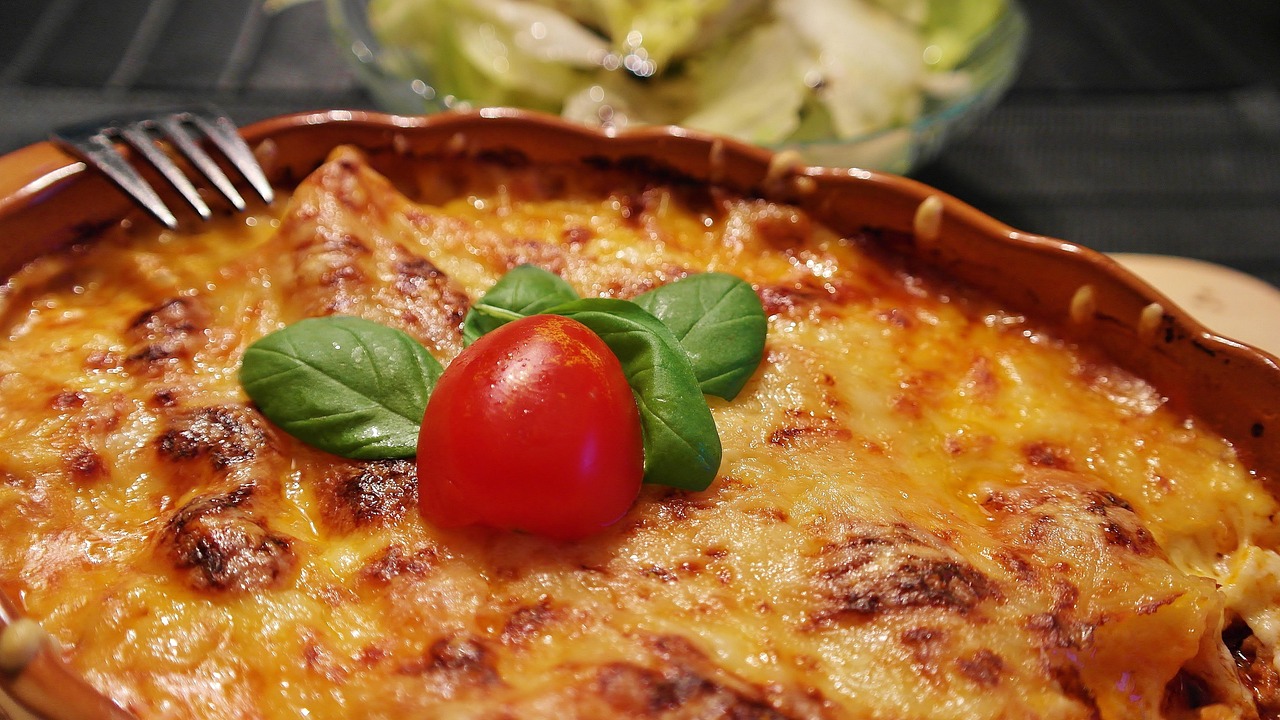
Federal agencies say perishable food should spend no more than 2 hours outside the safe range, or 1 hour when the air is above 90°F. No source gives a car-specific limit, so the drive, unloading and waiting all count. Cold dishes are easier to protect than hot ones.
Federal food-safety agencies set the same basic targets for anything carried to a Thanksgiving table: hot dishes at 140°F or above, cold dishes at 40°F or below, and no more than 2 hours outside that range, or 1 hour when the air is warmer than 90°F. No federal source offers a separate limit for time spent in a car. The practical reading is that the drive, the unloading and the wait before serving all count toward the same clock.
The question matters because the dishes most tied to the holiday are also the ones that favor bacterial growth when they are held warm. The Centers for Disease Control and Prevention (CDC) says almost 900,000 people in the US get Clostridium perfringens food poisoning each year, and that most outbreaks happen in November and December. The agency does not collect holiday-specific data, so no figure links a number of illnesses to carrying a casserole across town. The mechanism it describes, however, is large batches of food held between 40°F and 140°F, and a long car trip can recreate exactly that.
Where the 140°F and 40°F lines come from
According to the USDA's Food Safety and Inspection Service (FSIS), bacteria multiply most rapidly between 40°F and 140°F, and the population can double in as little as 20 minutes. That range is known as the Danger Zone. FSIS says perishable food should never be left out of refrigeration for more than 2 hours, and for no more than 1 hour when the temperature is above 90°F.
The Food and Drug Administration (FDA) gives the same limits in its guidance on eating outdoors: picnic food should not stay in the Danger Zone more than 2 hours, or 1 hour when outdoor temperatures exceed 90°F. FSIS also applies the rule to take-out food and casseroles, advising that perishable items such as meat, poultry, eggs and casseroles left at room temperature beyond those limits be discarded. The FSIS take-out page appears to be old, with metadata suggesting the early 2000s, but the numbers match its newer pages.
The agreement among agencies is real but less independent than it looks. The FDA wording comes from the same USDA and FDA framework as the FSIS wording, so two pages repeating one rule is not two separate scientific confirmations. The 2-hour limit is also a conservative regulatory guideline rather than a measured moment at which food turns unsafe. Actual risk depends on the food, how contaminated it was at the start and how its temperature changed over time.
Consumer targets versus restaurant rules
The 140°F and 40°F figures are USDA's consumer guidance for home cooks. Secondary sources describe the FDA Food Code, which governs restaurants and other food service, as using slightly different numbers: 135°F for hot holding and 41°F for cold holding. Jaroha could not check the Food Code text directly, so those figures should be treated as unverified. For a dish heading to a relative's house, the USDA targets are the ones that apply, and they are the more cautious pair.
Time limits at a glance
| Situation | Limit | Source |
|---|---|---|
| Perishable food out of temperature control, air at 90°F or below | 2 hours | FSIS Danger Zone page; FDA outdoor eating page |
| Perishable food out of temperature control, air above 90°F | 1 hour | FSIS Danger Zone page; FDA outdoor eating page |
| Leftovers: refrigerate within | 2 hours | CDC holiday turkey page; FSIS leftovers page |
| Reheat leftovers to | 165°F | FSIS Keep Food Safe page |
| Homemade pumpkin or other egg-rich pie out of the refrigerator | No more than 2 hours | University of Illinois Extension |
Does time in the car count toward the clock?
The 2-hour rule is written as a limit on the total time perishable food spends out of temperature control, and nothing in it exempts a car. Transit therefore counts. The 1-hour clause refers to the air temperature around the food, which in a sunny parked car can run far above the weather forecast. How to tally a trip made of several stages, such as a 30-minute drive, a stop and a wait on the counter, is not spelled out by any federal source Jaroha reviewed.
For leftovers, FSIS says the clock starts when heat is removed: food must be refrigerated within 2 hours of cooking, or of being taken out of an appliance that kept it warm. That is guidance about leftovers, not transport. By inference rather than by any agency statement, a hot dish that drops below 140°F on the road has probably started its clock at that point.
How fast a parked car heats up
The best-known measurements come from a Stanford School of Medicine study by McLaren, Null and Quinn, published in Pediatrics in 2005. Researchers measured parked cars on sunny days with highs of 72°F to 96°F. According to the study's press release, the interior warmed by an average of 40°F within an hour regardless of the outside temperature, and 80% of that rise came in the first 30 minutes.
HealthDay reported that running the air conditioning before parking delayed the spike by only about five minutes. A review listed on ResearchGate describes Swiss measurements from 1995 to 2000 in which the interior of a car in sunshine reached 21°C, about 70°F, in the cold season. That listing is a secondary source with an unclear journal citation, so it is supporting evidence only.
These studies carry real limits for a food story. The Stanford work was about children and pets, used a small number of vehicles, is two decades old, and Jaroha saw it only through press coverage. It concerned parked, sunlit cars, not a moving car with the heater running, and it did not address trunks or insulated containers. Applying it to casseroles is an extrapolation. It does suggest that a dish left in a sunny parked car, even on a cool November day, may warm faster than the forecast implies.
Cabin, trunk or cold outdoor air
USDA's 2025 potluck guidance says to carry the cooler in the air-conditioned passenger compartment. Jaroha found no source that compares the cabin with the trunk for food, and none that measures how quickly a hot casserole or a cold salad changes temperature in a car. Nor did the reviewed official sources say whether cold outdoor air can stand in for a refrigerator. Cool weather may help cold dishes, but a cold dish in direct sun could be pushed the other way.
Keeping cold dishes at 40°F or below
Cold dishes are the easier half of the problem, and the official advice is consistent. USDA says perishable foods such as meat, poultry, egg or seafood salads should go directly from the refrigerator or freezer into a cooler, with ice or gel packs to hold them at 40°F or below. Clemson Cooperative Extension adds that a full cooler stays cold longer than a partly filled one, and that meat and poultry can be packed frozen.
- Keep perishable dishes in the refrigerator until the moment of departure, then move them straight into the cooler (USDA, 2025).
- Surround the dishes with ice or gel packs, and fill empty space so the cooler is as full as possible (USDA; Clemson Extension).
- Place an appliance thermometer inside; USDA's 2017 holiday release calls this the best way to confirm safe holding temperatures while traveling.
- Carry the cooler in the air-conditioned passenger compartment rather than leaving it in a hot or sunlit spot (USDA, 2025).
- Discard foods that have warmed above 40°F, as Clemson Extension advises, rather than hoping reheating or chilling will repair them.
Confidence in this advice is high as a statement of what agencies recommend. It is more moderate as a statement of what works in practice, because Jaroha found no independent testing of how long a loaded cooler stays at or below 40°F during a holiday drive.
Hot dishes are the harder problem
The FDA says hot food should stay at or above 140°F, wrapped well in an insulated container until serving. USDA's potluck guidance likewise suggests wrapping dishes in insulated bags or towels. Neither source gives a tested hold time, so the advice is a recommendation without numbers: it does not say how many minutes a wrapped casserole will stay above 140°F.
FSIS is more candid about the difficulty. On its page about how temperatures affect food, it says that keeping food hot without a heat source while traveling is hard, and that it is best to cook before leaving, cool the food and transport it cold. That passage sits in a general travel and camping context rather than a Thanksgiving one. It is nonetheless an official statement that sits uneasily beside the towel-wrapping advice.
The cook, chill and reheat alternative
For longer trips, the cold route has a practical logic: a chilled dish in a packed cooler is easier to monitor than a hot one in a towel. FSIS advises reheating leftovers to 165°F. One reheating caution applies: FSIS says reheating food in slow cookers and chafing dishes is not recommended, because food may stay in the Danger Zone too long while it warms. That warning concerns bringing cold food up to temperature in those appliances, not keeping already-hot food warm.
Reheating also has a limit. FSIS says that when food spends too long in the Danger Zone, bacteria may produce toxins, and heat-resistant toxins are not destroyed by cooking. A dish that sat too long therefore cannot be rescued by heating it thoroughly at the destination.
Which dishes deserve the most care
The CDC links C. perfringens most often to foods cooked in large batches and held between 40°F and 140°F, and names turkey, beef, pork and gravy among the foods involved. That profile fits much of a holiday spread: big pans of meat, gravy and casseroles that cook in advance and then wait. A CDC epidemiologist, quoted in a TODAY.com report carried by Yahoo, said the agency does not collect data specifically about holidays. The same epidemiologist said some Thanksgiving foods can cause serious illness if they are not properly handled, cooked, stored or reheated.
Pies: custard and egg-rich fillings
North Carolina State University's extension service says store-bought pumpkin pies are shelf-stable because of preservatives, but homemade ones lack them and are better refrigerated. It lists baked goods with custard, cheese, meat or vegetable fillings, or cream frostings as needing refrigeration, and includes sweet potato and pecan pie. University of Illinois Extension says pumpkin, cream, chiffon and custard-based pies should not be out of the refrigerator for more than 2 hours. Michigan State University Extension advises baking pumpkin pie to an internal temperature of at least 160°F.
These extension sources agree with one another, though they differ in emphasis. Jaroha could not open the primary USDA and FDA statements on pie that many consumer sites cite, so confidence is moderate to high rather than complete.
Lower-risk items
Not every dish needs a cooler. FSIS's take-out guidance gives cookies, crackers, bread and whole fruits as examples of foods that do not carry the same concern as meat, poultry, eggs and casseroles. A Quartz article that says it draws on federal guidance treats fruit pies as generally lower risk, though Jaroha did not verify that against a primary source. No source reviewed offers a complete list of exempt foods, so judgment about a borderline dish, such as a dairy-heavy side, rests on the general principle: the more egg, meat, dairy or moisture, the more care.
What to watch on the way to dinner
The official guidance amounts to one idea applied to two directions: keep food out of the 40°F to 140°F range, and count every minute it spends inside it. Cold dishes have a clear, documented routine. Hot dishes rest on a recommendation that even the agencies concede is difficult to carry out, which is why the cook-ahead, chill and reheat approach appears in federal advice at all.
The gaps are the story to follow. A university extension lab or consumer-testing organization measuring casserole core temperatures in towels, insulated bags and rigid carriers, in cold and warm cars, would replace inference with numbers. Until then, a thermometer in the cooler and a mental note of when the dish left the oven are the most direct tools the evidence supports.
Frequently asked questions
How long can Thanksgiving food sit in a car?
No federal source sets a car-specific limit. The general rule from FSIS and FDA is no more than 2 hours outside safe temperatures for perishable food, or 1 hour if the air is above 90°F. Time in transit counts toward that total, and a sunlit parked car can heat much faster than the weather suggests.
What temperature should hot and cold dishes be kept at while traveling?
USDA and FDA guidance says hot food should stay at or above 140°F and cold food at or below 40°F. Those are consumer targets. Secondary sources say the FDA Food Code for food service uses 135°F and 41°F, though Jaroha could not verify that.
Is it safe to reheat food that sat out too long?
Not necessarily. FSIS says bacteria in food held too long in the Danger Zone may produce heat-resistant toxins that cooking does not destroy. Reheating leftovers to 165°F is advised for properly stored food, but it does not repair a dish that has already spent too long at the wrong temperature.
Does pumpkin pie need to be refrigerated when carried to another home?
Extension guidance says homemade pumpkin and other custard or egg-rich pies should be refrigerated and not left out more than 2 hours. NC State Extension notes that store-bought pumpkin pies are shelf-stable because of preservatives, while homemade ones lack them.
Do cold November temperatures make a cooler unnecessary?
The sources reviewed do not say that outdoor cold counts as refrigeration. Studies of parked cars suggest the interior can warm sharply on sunny days even when it is cool outside, so a thermometer-checked cooler remains the documented approach for perishable cold dishes.
Sources (21)
- "Danger Zone" (40°F - 140°F) , USDA Food Safety and Inspection Service
- How Temperatures Affect Food , USDA Food Safety and Inspection Service
- Leftovers and Food Safety , USDA Food Safety and Inspection Service
- Safe Handling of Take-Out Foods , USDA Food Safety and Inspection Service
- Keep Food Safe! Food Safety Basics , USDA Food Safety and Inspection Service
- USDA Shares Food Safety Recommendations for Your Potluck , USDA (2025-05-20)
- USDA Provides Tips to Keep Holiday Food Safe at Home or When Traveling , USDA (2017-12-14)
- Handling Food Safely While Eating Outdoors , US Food and Drug Administration
- About C. perfringens food poisoning , Centers for Disease Control and Prevention
- Preparing Your Holiday Turkey Safely , Centers for Disease Control and Prevention
- Traveling with Food , Clemson Cooperative Extension, Home & Garden Information Center
- How Long Is Homemade Pie Safe to Eat? And Other Thanksgiving Dessert Questions , NC State University (2024-10-01)
- Do I Need to Refrigerate the Pie? , University of Illinois Extension
- To refrigerate pumpkin pie – or not? , Michigan State University Extension
- Parked cars get dangerously hot, even on cool days, Stanford study finds , EurekAlert (Stanford School of Medicine press release) (2005-01-01)
- Parked Cars Heat Up Faster Than Thought , HealthDay (2005-07-05)
- (PDF) Temperature variations in a parked vehicle , ResearchGate
- These are the top reasons people get sick on Thanksgiving , Yahoo Lifestyle (TODAY.com)
- Thanksgiving food safety myths: turkey, stuffing and pie , Quartz
- Insulated Cooler Bags Guide 2025 , Tempcontrolpack
- How do Insulated Lunch Bags Keep Food Warm or Cool? - Gentle Packing , Gentle Packing