
Trump Confirms New "Minor" U.S. Strikes on Iranian Air Defenses on Qeshm Island
The strikes in the Strait of Hormuz are the first since the U.S. midterm elections, while Qatar-brokered talks on reopening the waterway remain unresolved.
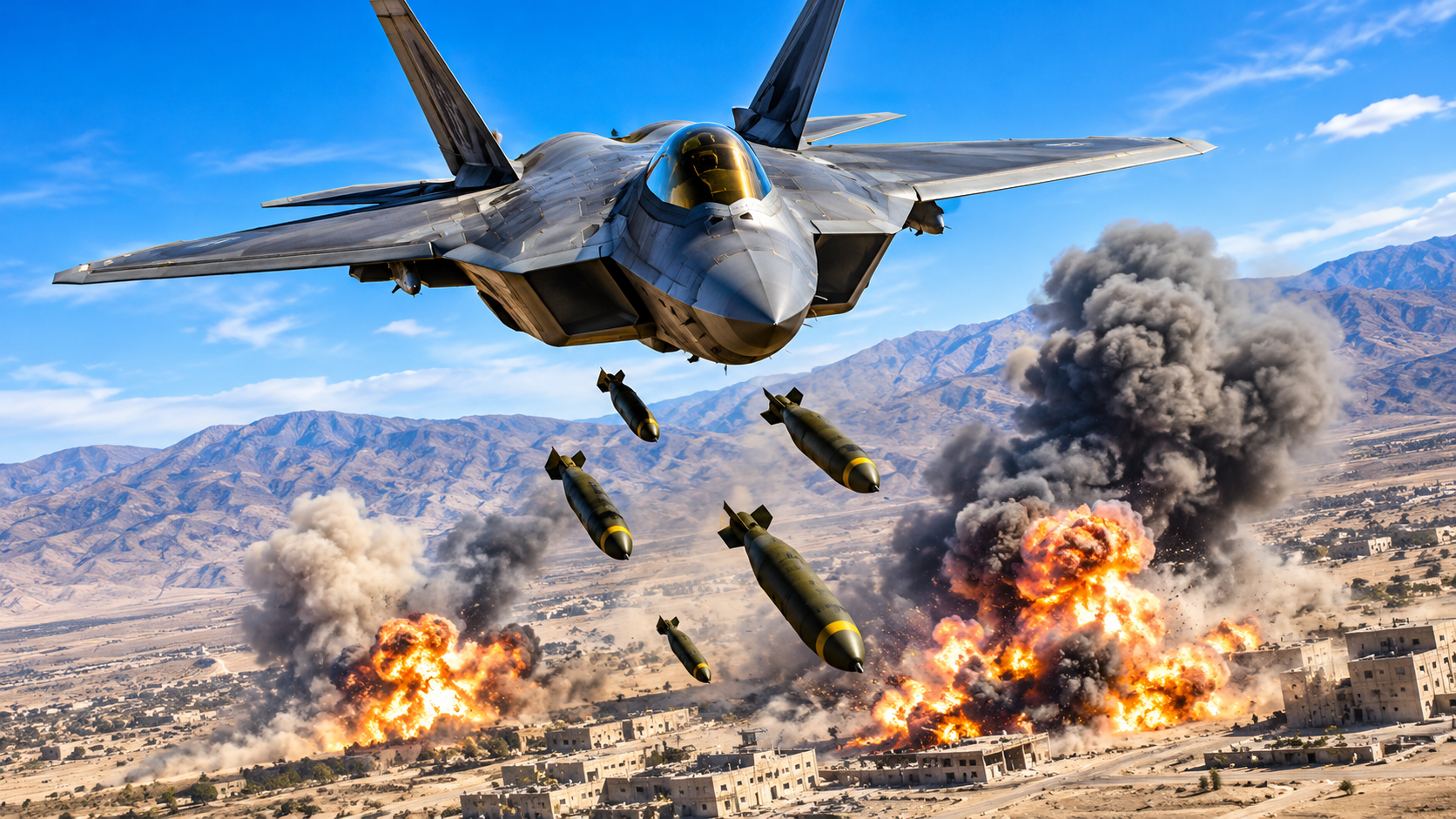
President Donald Trump confirmed a new round of limited U.S. strikes on an Iranian air defense system on Qeshm Island, calling them "minor." The strikes are the first since the midterm elections and come as Qatari-mediated talks over reopening the Strait of Hormuz continue without a deal.
President Donald Trump confirmed on Friday that the U.S. military carried out a new round of limited strikes against an Iranian air defense system on Qeshm Island, the largest island in the Strait of Hormuz. Speaking to reporters in West Palm Beach, Florida, Trump played down the operation. "We do minor strikes," he said, describing the target as "a little bit of an anti-aircraft device."
According to the president, the system was neutralized almost immediately: "we knocked it out in about 15 minutes, maybe five." No casualties from the strikes have been reported.
What happened
Iranian state media reported two missile strikes in the Suza area of Qeshm on Friday, November 6. Iranian state broadcaster IRIB also carried an army statement claiming that Iranian air defenses had destroyed an American MQ-9 Reaper drone over the island. That claim has not been confirmed by U.S. officials.
U.S. Central Command (CENTCOM) told Al Jazeera that the situation was "relatively calm" and declined to comment further. Late Friday, CENTCOM separately announced a reward of up to $20 million for information on Iran's nuclear program.
Not the first strike this week
Friday's operation followed an earlier round of strikes on Qeshm on the night of Monday, November 2. U.S. officials, speaking to American media, described those strikes as "defensive." CBS News reported that they came after Iran's Islamic Revolutionary Guard Corps (IRGC) fired at an American fighter jet, and after a missile launched from Qeshm threatened commercial shipping. Explosions were also reported elsewhere along Iran's southern coast.
At the time, Trump told Fox News that the target was an anti-aircraft facility and called the operation a "minor attack" that "wasn't war," adding that it had taken Iran about two months to build. The IRGC claimed during the same period that it had shot down an MQ-9 drone, a claim Washington did not confirm.
According to Al Jazeera, Friday's strikes were the first since Tuesday's midterm elections, which delivered a setback to Trump's Republican Party. The president blamed the result on the war with Iran, and on Thursday warned that the United States might have to "destroy" the rest of the country.
Talks continue, with conditions
Despite the military pressure, Trump insisted that diplomacy is moving forward. "They want to make a deal," he said on Friday, adding that "We've made a lot of progress with Iran," without offering details.
Qatar has been mediating the exchange of proposals between the two sides. On Saturday, Qatari Foreign Ministry spokesman Majed al-Ansari rejected reports that the talks had collapsed, saying such claims serve only those seeking to prolong the war.
Tehran has offered to reopen the Strait of Hormuz within two days if Washington meets its conditions, which include lifting the U.S. naval blockade of Iranian ports, easing sanctions and ending hostilities. Mohsen Rezaei, secretary of Iran's Supreme National Security Council, said earlier this week that the U.S. response to that plan was "not convincing." According to regional officials cited by the Associated Press, a Qatari bridging proposal envisions two days of trust-building steps, including partial release of frozen Iranian funds and access for UN nuclear inspectors to bombed sites, before a temporary reopening of the strait.
Why Qeshm matters
Qeshm sits at the narrowest stretch of the Strait of Hormuz, the chokepoint through which a large share of the world's seaborne oil normally passes. Air defense and missile sites on the island give Iran the ability to threaten both aircraft and tankers transiting the waterway. Some U.S. officials told American media that the purpose of the recent strikes was to limit Iran's capacity to attack shipping without signaling a return to full-scale combat.
The stakes for energy markets are high. On November 3, Brent crude was trading above $106 a barrel and West Texas Intermediate near $98, according to Al Jazeera. The same week, Iranian outlets claimed that several tankers had struck mines south of the strait, and the UK Maritime Trade Operations center reported a tanker hit by projectiles off Oman, with no casualties.
What comes next
The conflict, which began with U.S.-Israeli strikes on Iran on February 28, is now in its ninth month. The New York Times reported that thousands of U.S. air and naval personnel remain positioned to resume major combat operations if Trump orders it, while Iran's leadership has instructed its armed forces to respond immediately to any threat.
For now, the White House is framing the Qeshm operations as limited, tactical actions rather than an escalation. Whether they push Tehran toward a deal on Hormuz or harden its position will likely become clear in the coming days of Qatari-mediated talks.
Sources (5)
- Trump confirms new US strikes on Iran's Qeshm Island , Al Jazeera (2026-11-07)
- US carries out fresh targeted strikes on Iran's air defences: Trump , Associated Press via Business Standard (2026-11-07)
- U.S. launches limited strikes on Iranian targets in Strait of Hormuz, officials say , CBS News (2026-11-03)
- Iran says US reply to Hormuz plan 'unconvincing'; Trump confirms strikes , Al Jazeera (2026-11-04)
- Explosions hit Iran's Qeshm Island as US media report US strikes in Hormuz , Al Jazeera (2026-11-03)